Blog

  • How to integrate Artificial Intelligence with your tools (CRM, ERP, spreadsheets): a practical guide for SMEs

    How to integrate Artificial Intelligence with your tools (CRM, ERP, spreadsheets): a practical guide for SMEs

    How to integrate Artificial Intelligence with your tools (CRM, ERP, spreadsheets): a practical guide for SMEs

    How to integrate Artificial Intelligence with your tools (CRM, ERP, spreadsheets): A practical guide for SMEs

    Artificial Intelligence (AI) is no longer exclusive to large tech companies. More and more SMEs are bringing AI into their everyday tools, such as the CRM (customer relationship management), the ERP (enterprise resource planning) or even their spreadsheets, to save time, reduce errors and improve their results. But how is this achieved in practice? And where do you start if you’re not technical? In this article, we’ll show you real examples and concrete steps so you can assess how AI can give your company a boost, from a real estate agency to a workshop or clinic. The goal is for you to understand the value of applied AI and lose the fear of taking the first step.

    What does “integrating AI” with your management tools really mean?

    Beyond the hype: practical integration in the SME

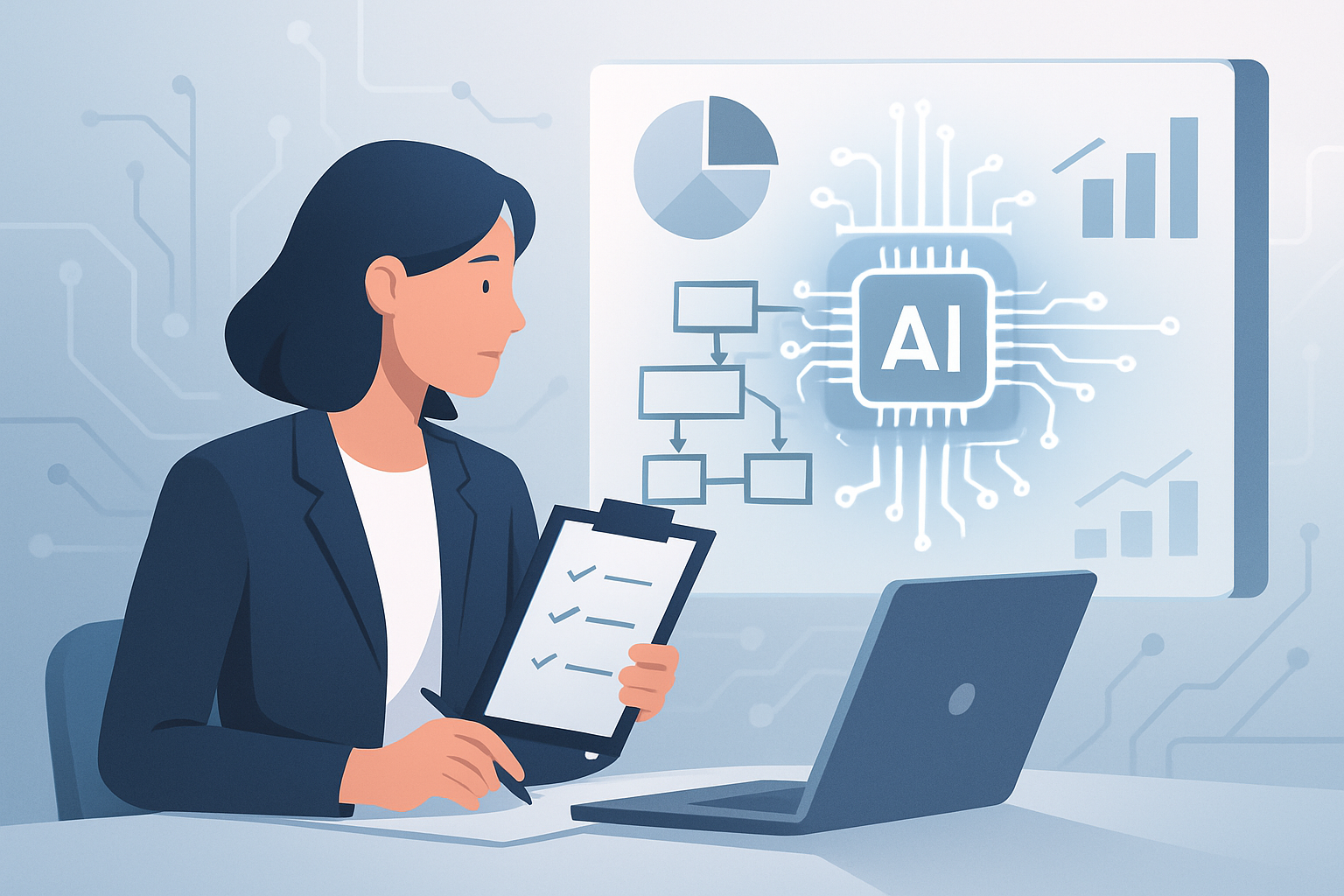
    When we talk about “integrating AI”, we mean connecting Artificial Intelligence solutions with the systems you already use day to day, such as the CRM where you manage your customers, the ERP where you keep track of your products and invoices, or those spreadsheets where you record sales, appointments or inventory. It’s not about replacing what you have, but about adding a layer of intelligence that helps make better decisions, automate repetitive tasks and detect opportunities or problems before they arrive.

    For example, a law firm can connect its CRM to an AI that automatically prioritizes cases by urgency and potential revenue. A real estate agency can use AI to analyze customer histories and suggest properties that truly match their preferences. An e-commerce store could analyze sales data and automatically recommend promotions or stock adjustments.

    The integration can be as simple as connecting your spreadsheet to a tool that alerts you if it detects errors in the data, or as advanced as a system that writes automatic responses to customers based on their interaction history. You don’t need to be technical: today there are solutions that connect via “plugins” or pre-built integrations, and consultancies like Futurynia can support you with the first steps.

    What do you get? In practice, less manual work, fewer human errors and more capacity to anticipate customer needs or internal problems. According to data from SMEs that have already taken the step, the improvements can mean savings of up to 30% in administrative hours and a 50% reduction in errors.

    Main benefits: hours, costs, errors and customer experience

    Why is it worth integrating AI?

    The first benefit SMEs usually notice is time savings. Imagine a restaurant that receives dozens of bookings and orders across different channels: an AI connected to its booking sheet can automatically organize tables, avoid overbooking and suggest staff shifts. This can save between 10 and 20 hours a week on organization alone.

    In a clinic, AI can review medical records and suggest follow-up appointments, detect patients who haven’t come in for a while or even identify billing errors. This reduces legal risks and improves patient satisfaction, as they feel cared for in a personalized way.

    From a cost perspective, automating repetitive tasks (such as sending reminders, generating quotes or controlling stock) frees up staff time for higher-value work. A car workshop, for example, can use AI to analyze breakdown patterns and anticipate which parts to restock before they run out. This way, it avoids losses from being unable to provide services and reduces tied-up stock.

    The customer experience also improves: a real estate agency can answer frequent queries automatically, send personalized property suggestions and remind customers of important appointments. This creates a perception of professionalism and closeness, and increases the likelihood of closing sales or building loyalty.

    Human errors, such as duplicating data, losing customer information or making billing mistakes, can be cut in half with a basic AI integration. In addition, many SMEs report that staff feel less overwhelmed and more motivated once they set aside repetitive tasks.

    Concrete examples of AI integration in SMEs

    Real cases and mini-cases to inspire you

    Professional firm: A small tax advisory firm used spreadsheets to track tax deadlines. By integrating an AI that automatically reviews the data and flags inconsistencies (for example, wrongly entered dates or incoherent amounts), it managed to reduce errors by 60% and avoid penalties. In addition, the AI suggests priority tasks each day based on the tax calendar.

    Real estate agency: An agency with 7 employees connected its CRM to an AI that analyzes each customer’s profile (preferences, previous viewings, budget) and automatically sends emails with the most suitable properties. The result: a 25% increase in scheduled viewings and less time wasted on unproductive calls.

    E-commerce: An online stationery store integrated an AI with its ERP and its support-ticket system. Now, the AI detects patterns in frequent questions and suggests automatic responses to agents, shortening response time by 40%. It also analyzes sales and suggests when to run promotions for slow-moving products.

    Dental clinic: After connecting its calendar and management system with an AI, the center started sending automatic appointment reminders and personalized annual check-up suggestions. Patients responded positively and no-shows dropped from 18% to 9% in three months.

    Repair workshop: A car workshop implemented an AI that, by analyzing repair and stock data in spreadsheets, predicts which parts will be needed the following week and generates automatic orders. This reduced delays due to missing parts from 6 to 2 cases a month and optimized inventory.

    Where to start? Practical steps to integrate AI in your SME

    From reflection to action: how to take the first step

    Integrating AI doesn’t require large investments or advanced technical knowledge, but it does require an orderly approach. Here’s a simple roadmap:

    1. Identify repetitive or problematic tasks. Think about processes where a lot of time is lost, errors are frequent or they impact customer satisfaction. Example: organizing appointments, answering queries, reviewing data, preparing quotes.
    2. Review the tools you already use. Do you have a CRM? An ERP? Do you work a lot with spreadsheets? Make a list of your current systems.
    3. Look into the available integrations. Today there are AI solutions that connect easily with the main systems. For example, some CRMs let you add “smart assistants” in a few clicks. In spreadsheets, there are extensions that analyze data or flag errors.
    4. Ask for help if it seems complex. An external assessment (free at Futurynia) can help you spot opportunities and avoid costly mistakes.
    5. Start with a small pilot. Don’t try to automate everything at once. For example, try automating appointment reminders or the automatic review of invoices. Measure the results and expand gradually.
    6. Involve your team. Explain the changes, listen to suggestions. Team buy-in is key to success.

    In short, the key is to identify a specific process where AI can add immediate value and test small before scaling. Most SMEs that have followed this approach see results in under 3 months and recover the investment in under 6 months.

    FAQs about AI integration in SMEs

    1. Do I need to change my current systems to use AI?

    No. In most cases, AI can connect to your current tools through integrations, connectors or extensions. You don’t need to change your CRM, ERP or stop using your spreadsheets.

    2. Will AI replace my employees?

    AI isn’t meant to replace people, but to free them from repetitive tasks so they can focus on higher-value activities, such as customer service or strategic decision-making.

    3. What investment does integrating AI require?

    The cost depends on the scope. A basic pilot can cost from a few hundred euros a month, and many solutions offer pay-as-you-go. Typically, the savings in time and errors offset the investment within a few months.

    4. Is integrating AI with my data safe?

    Professional AI solutions comply with data protection regulations (such as the GDPR). It’s important to choose trustworthy providers and make sure the data is protected and only accessible to those who should see it.

    Conclusion: AI as your SME’s ally

    Integrating Artificial Intelligence into your management tools is now a near reality, not a distant luxury. Time savings, fewer errors and a better customer experience are tangible benefits that many SMEs are already experiencing. If you want to discover how AI can fit your specific situation, at Futurynia we offer a free, no-obligation assessment. Take the first step: get informed and assess how AI can help you grow with less effort and more intelligence.

  • Case study: How an e-commerce store automates customer support with AI

    Case study: How an e-commerce store automates customer support with AI

    Case study: How an e-commerce store automates customer support with AI

    Case study: How an e-commerce store automates customer support with AI

    Customer support is the heart of any online store. Replying fast, resolving doubts and handling complaints makes the difference between losing a sale or winning a loyal customer. Yet many e-commerce SMEs are overwhelmed: dozens of emails, chats and calls a day, the same questions over and over, and the pressure of answering outside business hours. How can artificial intelligence help solve this challenge without requiring technical knowledge or large investments? In this article, we explore how an e-commerce SME automated its customer support with AI, what benefits it achieved and how you can start down this path, whatever the size of your business.

    What does it mean to automate customer support with AI?

    Demystifying the concept

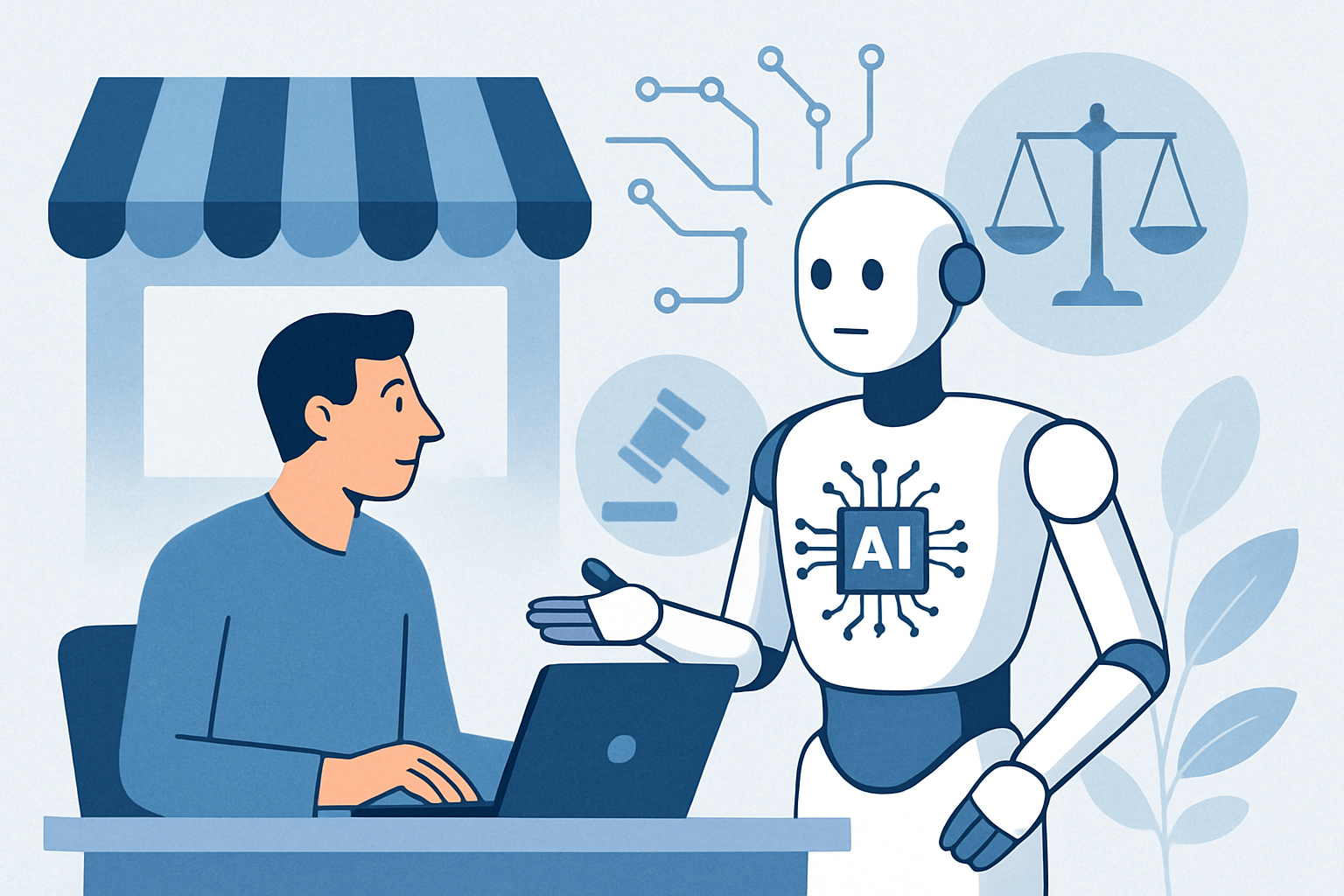
    When we talk about “automating customer support with AI”, we don’t mean replacing people with cold, impersonal robots. Artificial intelligence (AI) lets software “understand” customer questions and requests and provide useful answers, 24/7. This is achieved with systems called “virtual assistants” or “smart chatbots”. They don’t just answer FAQs; they can interact in natural language, that is, conversing the way a person would.

    A practical example: an online clothing store

    Imagine a small online clothing store that receives more than 100 enquiries a day: “Do you have this size?”, “When will my order arrive?”, “How do I make a return?”. A virtual assistant can automatically answer 70-80% of these questions, freeing your team to handle complex cases and improve the overall customer experience.

    Only for big companies?

    A few years ago, only large companies could access these solutions. Today, AI is within reach of any SME. Even a restaurant or a clinic can use virtual assistants to book appointments or answer common questions.

    What tasks can AI automate in customer support?

    Frequent enquiries and order tracking

    Most of the messages an e-commerce store receives are repetitive: order status, returns, payment methods, opening hours. AI can answer these instantly. For example, an electronics gadget store cut its pending emails by 60% by automating order-tracking information. The assistant checks the system and replies to the customer in seconds.

    Handling complaints and returns

    Returning a product usually causes doubts and frustration. A chatbot can guide the customer step by step, generate return labels and only alert the team if an unusual problem arises. This way, handling time drops from days to hours, and the customer perceives speed.

    After-hours support

    Imagine a real estate agency that receives enquiries on WhatsApp at 11 p.m. A virtual assistant can respond, share information about available properties and schedule viewings for the next day, with no human intervention.

    Mini-cases from other sectors

    • Dental clinic: the assistant answers questions about treatments and books appointments online.
    • Car repair shop: the chatbot provides rough quotes and books inspections.
    • Restaurant: automates bookings and questions about special menus.

    In every case, the human team focuses on higher-value tasks and the customer gets instant answers.

    Concrete benefits: time, costs, errors and customer experience

    Lower costs and freed-up time

    A typical e-commerce store, with 2-3 people in customer support, spends around 30 hours a week answering repetitive enquiries. With AI, that time drops to under 10 hours, saving up to 60% in staffing costs or reinvesting those hours into sales and marketing.

    Fewer errors and faster answers

    AI doesn’t get tired or forget details. It always replies with the most up-to-date information, avoiding human errors and misunderstandings. For example, a real estate agency that automated its WhatsApp managed to reduce incorrect answers about property availability by 80%.

    A better customer experience

    Today’s customers value speed: 4 out of 5 online shoppers expect a reply in under an hour. With AI, 90% of enquiries are resolved instantly, which translates into more sales and fewer complaints.

    Indicative figures

    • Average savings: €800-1,500 a month in wages or outsourcing.
    • Fewer complaints: up to 40% less due to response delays.
    • Higher satisfaction: increases of 15 points in NPS (customer satisfaction) surveys.

    These figures recur in SMEs across different sectors, from online stores to professional firms.

    How to get started: practical steps, no jargon

    1. Identify your repetitive tasks

    Make a list of the questions and requests that come up most in your business. For example: “Where is my order?”, “How do I cancel an appointment?”, “What’s today’s menu?”. Quantify how often they happen each month.

    2. Choose the channel your customers use most

    Do they contact you more by email, WhatsApp, web form or social media? Prioritize the channel where you lose the most time.

    3. Define the tone and the answers

    You don’t need to know how to code. It’s enough to define how you want the assistant to speak (formal, friendly) and what answers it should give to common questions. A good AI consultant helps you turn this into an automated flow.

    4. Test with a pilot

    Start with the 20% most frequent enquiries. For example, a cosmetics store automated only order-tracking and returns information. In 2 weeks, it freed up 10 hours of work and improved customer ratings.

    5. Measure and improve

    Review each month how many enquiries the AI handles, how many it passes to humans and customer satisfaction. Adjust answers and expand automated tasks little by little.

    You don’t need to transform everything at once. A gradual approach lets you see results without risk or major expense.

    Real mini-cases: SMEs already doing it

    Law firm

    A mid-sized firm received dozens of daily enquiries about procedures and required paperwork. With AI, it automated answers and booked urgent appointments straight into the calendar, cutting calls by 50% and improving clients’ punctuality.

    Physiotherapy clinic

    Managing appointments and questions about treatments was overwhelming the front desk. The virtual assistant let patients book or change their appointments online and receive personalized information, freeing up 15 hours of staff time a month.

    Car workshop

    A local workshop used AI for quick quotes and repair tracking. Customers received automatic notifications about their car’s status, avoiding calls and improving how the service was perceived.

    Family restaurant

    It automated bookings and information about special menus via WhatsApp. Thanks to this, the team could focus on in-person service and reduced bookings lost due to no reply outside business hours.

    Eco-products e-commerce

    The online store set up a chatbot for product questions, order tracking and returns. In three months, the satisfaction rate rose by 20% and human enquiries dropped to genuinely complex cases.

    These examples show that AI isn’t just for giants: any SME can benefit if it takes the first step.

    FAQs about automating customer support with AI

    Will AI replace my employees?

    No. AI takes care of repetitive tasks and frees people to resolve complex cases, sell more and improve the customer relationship. It’s a support tool, not a replacement.

    Is it hard to implement? Do I need to know how to code?

    You don’t need technical knowledge. An expert consultant can implement a solution tailored to your business in a few days, integrating AI with your usual channels (web, WhatsApp, email).

    What happens if the AI doesn’t know how to answer?

    In those cases, the enquiry is automatically transferred to a human. That way, the customer is never left without an answer and the experience stays smooth.

    How much does it cost and how soon are results visible?

    The cost depends on the volume of enquiries and the channels to automate. Many SMEs recover their investment in 2-3 months thanks to time savings and improvements in sales and customer satisfaction.

    Conclusion: AI, a realistic and accessible ally for SMEs

    Automating customer support with artificial intelligence is already a reality within reach of SMEs. You don’t need to be technical or invest large sums to start seeing concrete benefits: less repetitive work, faster answers and more satisfied customers. If you want to explore how AI can help your business, at Futurynia we offer a free, no-obligation assessment. Take the first step and discover, with real data, the potential of AI for your company. More information at futurynia.com.

  • Artificial Intelligence in SMEs: opportunities, legal risks and how to move forward safely

    Artificial Intelligence in SMEs: opportunities, legal risks and how to move forward safely

    Artificial Intelligence in SMEs: opportunities, legal risks and how to move forward safely

    Artificial Intelligence in SMEs: opportunities, legal risks and how to move forward safely

    Artificial Intelligence (AI) is transforming the business landscape at an unprecedented pace. Every day, more small and medium-sized enterprises (SMEs) decide to adopt smart tools to improve their processes, deliver better services and cut costs. However, this race to adopt AI has also raised concerns among legal experts, who warn that many companies are unaware of the legal consequences of using it. In a context where competition and efficiency make the difference, understanding what is happening and how to move forward without making mistakes is essential for any SME that wants to grow in the new digital environment.

    What is happening with AI and SMEs?

    In recent months, the pace of adoption of AI-based solutions has grown notably among Spanish SMEs. From virtual assistants that manage appointments to systems that analyze customer data or automate administrative tasks, AI is finding its place in the day-to-day of companies across every sector. This trend is driven by the promise of boosting productivity, reducing errors and offering a more personalized customer experience.

    However, as legal experts have warned in recent forums and media, many companies are implementing these technologies without a clear view of their legal implications. Enthusiasm for innovation sometimes outpaces caution, and there is a risk of overlooking key aspects such as the protection of personal data, transparency in the use of algorithms or liability for potential AI errors.

    In practice, this means an SME could be using AI to analyze customer information, automate communications or make business decisions without having assessed whether it complies with current regulations, such as the General Data Protection Regulation (GDPR) or the upcoming European AI regulation. Ignorance does not exempt anyone from liability, and a poor implementation can lead to financial penalties or considerable reputational damage.

    Why is this relevant for my SME?

    The importance of this topic goes far beyond a simple technological fad. AI represents a real opportunity for SMEs to become more competitive against large companies, but it also creates a new risk landscape that cannot be ignored.

    On one hand, AI tools can help an SME to:

    • Automate routine tasks, freeing up time for higher-value activities.
    • Personalize customer service, increasing loyalty and sales.
    • Analyze large volumes of data to make better-informed decisions.
    • Reduce human errors and improve operational efficiency.

    On the other hand, a lack of understanding of legal obligations can result in:

    • Financial penalties for the improper use of personal data.
    • Loss of customer trust if the company is seen as not protecting their information.
    • Legal problems if the AI makes discriminatory or erroneous decisions.
    • Difficulties adapting to the European AI regulation, which will become increasingly demanding.

    The balance between reaping the benefits and avoiding the risks is key. For an SME, this means getting informed, planning, and having partners who can advise throughout the technology adoption process.

    Practical applications of AI in SMEs: cases and examples

    AI is not exclusive to large companies. More and more SMEs are finding concrete uses that help them improve their daily operations. Let’s look at some real examples and how they were implemented:

    1. Booking management in restaurants

    A small restaurant in Valencia decided to implement an AI-based virtual assistant to manage bookings and answer customers’ most frequent questions via WhatsApp and social media. The result was a 60% reduction in the time spent handling calls and messages. In addition, the system automatically flagged possible duplicate bookings or no-shows, optimizing table usage.

    2. Inventory analysis in fashion stores

    A clothing store in Madrid used an AI tool to analyze sales and forecast product demand based on the season and trends. This made it possible to adjust orders and avoid both excess stock and shortages of popular products, improving the profit margin by around 8% during the first year.

    3. Invoicing automation in advisory firms

    A small accounting firm adopted an AI system to scan and process invoices received by email, classifying them automatically and detecting possible errors or duplicates. This not only reduced processing time by 50% but also minimized human errors and made tax compliance easier.

    4. Customer segmentation in e-commerce

    An eco-products e-commerce store used AI to segment its customers and personalize its marketing campaigns. By analyzing purchasing behavior and preferences, the conversion rate of email marketing campaigns increased by 15%, at a far lower cost than generic campaigns.

    These cases show that AI can be a powerful ally for any SME, whatever its sector. However, the implementation process must be careful and always respect legal and ethical rules.

    Risks and legal considerations: what every SME should know

    Enthusiasm for AI should not make us lose sight of the associated risks, especially in the legal arena. Legal experts insist that many SMEs are unaware of the obligations that come with using smart systems, particularly when personal data is processed or automated decisions are made that affect people.

    Some of the main concerns are:

    • Personal data protection: If the AI processes information about customers, employees or suppliers, the company must comply with the GDPR. This means clearly informing people about how data is used, obtaining consent when necessary and ensuring the security of the information.
    • Transparency and explainability: A growing number of regulations require companies to be able to explain how their AI systems work, especially if they make decisions that significantly affect people (for example, approving a loan or selecting candidates for a job).
    • Liability for errors: If the AI makes a mistake (for example, sends incorrect information or discriminates against a customer), the company is responsible. Claiming “the machine got it wrong” is no defense; responsibility always lies with the SME.
    • Bias and discrimination: Algorithms can reproduce prejudices if they are not designed and monitored properly. This can lead to unfair decisions, with serious legal and reputational consequences.
    • Adapting to future regulation: The European Union is preparing specific AI regulation that will require companies to meet additional requirements depending on the risk level of the system used. Getting ahead of these changes can prevent future problems.

    Being unaware of these issues does not exempt a company from compliance. That is why it is advisable to seek advice before implementing any AI solution, ensuring that people’s rights are respected and legal risks are minimized.

    How can an SME start taking advantage of AI safely?

    Starting down the path toward smart automation does not require advanced technical knowledge, but it does require a clear strategy and a few basic steps:

    1. Identify repetitive or inefficient processes: Ask yourself which tasks consume the most time or are most prone to errors. Those are usually the best candidates to automate with AI.
    2. Get trained and seek advice: Before choosing a solution, learn about the legal and technical implications. Consult reliable sources or turn to experts who can guide you based on your sector and company size.
    3. Choose tools tailored to SMEs: There are AI solutions designed specifically for small businesses, with affordable prices and proper support. Avoid systems that are too complex or designed for large corporations.
    4. Roll out gradually: You don’t need to transform the whole company at once. Test AI in a specific area and measure the results before expanding its use.
    5. Ensure data protection: Make sure any system handling personal information complies with the regulations. This includes informing the people affected and putting security measures in place.
    6. Monitor and adjust: AI is not infallible. Monitor the results, detect possible errors or biases and adjust the parameters when needed.
    7. Prepare for regulation: Keep up with regulatory changes and adapt your company when necessary. Anticipating legislation can prevent penalties and strengthen your customers’ trust.

    Starting with small pilot projects and having the support of automation and AI professionals is the best way to move forward safely and take advantage of everything this technology offers.

    FAQs about AI and SMEs

    Do I need to be a tech company to use AI?

    No. Today there are AI solutions designed for SMEs in every sector, from hospitality to logistics. You don’t need to know how to code or have your own IT department. What matters is identifying a specific problem or need and seeking specialized help to implement the right solution.

    What happens if the AI makes a mistake in my company?

    Responsibility still lies with the company, even if the error was made by an automated system. That is why it is essential to monitor the results, inform customers about the use of AI and have protocols to correct any failures quickly. Poor management can lead to anything from customer complaints to legal penalties.

    Is implementing AI expensive for an SME?

    The cost depends on the type of solution and the scope of the project. There are affordable tools, even pay-as-you-go ones, that let you start without major investments. The benefits in time savings and improved processes usually offset the initial investment within a few months.

    How do I make sure I comply with the law when using AI?

    Learn about the applicable regulations, especially data protection. Consult experts or providers who guarantee legal compliance. Whenever you process personal data, inform the people affected clearly and make sure your provider meets European privacy and security standards.

    AI is a powerful tool, but it must be used responsibly and transparently.

    If you have questions or want to know how to apply AI in your SME safely, at Futurynia we help you identify opportunities, choose the best solutions and comply with all regulations. Take the first step toward smart automation with confidence and build the future of your business today.

  • AI for demand forecasting and inventory in small businesses: How to seize the future today

    AI for demand forecasting and inventory in small businesses: How to seize the future today

    AI for demand forecasting and inventory in small businesses: How to seize the future today

    AI for demand forecasting and inventory in small businesses: How to seize the future today

    How many times have you lost sales because something was out of stock, or had products sitting idle for months? These problems not only eat into profits, they also hurt your business’s reputation and your customers’ experience. Today, thanks to artificial intelligence (AI), even small businesses can anticipate demand and manage their inventory with a precision once reserved for large companies. But what does this mean in practice? Is it complicated? Is it out of reach for an SME? In this article I explain, with simple examples and real cases, how AI can revolutionize the way you manage your inventory and your sales forecasts. If you’ve never dug into this technology, here is a clear, realistic guide to understand the value and decide whether you want to take the next step.

    What is AI-powered demand forecasting and inventory management?

    The basics

    Demand forecasting means anticipating how many products or services you’ll sell in a future period. Inventory management is the control of your stock: knowing how much you have, when to restock and how much to order.

    Traditionally, SMEs have managed this with intuition, spreadsheets or, at best, simple software. AI, however, uses historical sales data, trends, seasonality, promotions and even the weather to predict more accurately what you’ll need. That way, you can make better-informed, more accurate decisions about your purchases and stock.

    What does AI do differently?

    While an Excel sheet can only add and subtract, AI learns from your sales patterns and from external factors. For example, a restaurant can know how many salmon fillets to order based on the weather and local festivities, not just the sales average. Or an online store can anticipate which products will sell out before an advertising campaign.

    A practical example: a small dental clinic

    Imagine a clinic that tends to run out of certain materials right before school dental check-up campaigns. With AI, it can analyze demand peaks from previous years, campaign dates and even online booking behavior. This way, it avoids shortages and reduces unnecessary purchases of expensive materials.

    Why now?

    Until recently, AI was expensive and complex. Today there are solutions tailored to SMEs, with affordable costs and no need for an in-house technical team. Access to data (sales, bookings, inventory) and connectivity have democratized this technology.

    Concrete benefits for small businesses: hours, costs and customer experience

    Fewer errors and time savings

    One of the biggest problems with manual management is human error. According to studies, SMEs lose between 5% and 15% of their sales due to inventory errors. An AI system can reduce these errors by more than 80%, analyzing data automatically and without fatigue.

    For example, a small clothing e-commerce store can avoid running out of popular sizes right during the sales, or avoid piling up slow-moving items. The manager no longer has to review spreadsheets every week: the AI automatically suggests what to restock and when.

    Cost optimization and better cash flow

    Buying too much means money stuck in the warehouse. Buying too little means losing sales. AI helps adjust inventory to the minimum necessary, freeing up capital for other investments. In many cases, SMEs that apply AI manage to reduce their inventory by up to 30% without losing sales.

    A car repair shop, for example, can stop buying parts it barely uses and focus on the ones its customers really demand, thanks to the patterns detected by AI.

    A better customer experience

    When customers find what they’re looking for, they come back. If they don’t, they go to the competition. AI helps maintain the availability of key products, anticipating demand peaks (such as the Christmas campaign or Mother’s Day). A restaurant can avoid running out of its most-ordered dishes at the weekend, and a real estate agency can predict which types of properties will get the most viewings depending on the season.

    Example: professional firm

    Even law firms and accountancy practices can take advantage of AI. For example, to forecast peaks in tax-return requests, plan overtime and avoid delays in service.

    Examples and mini-cases: AI applied across different SME sectors

    Local restaurant

    A neighborhood restaurant used to run out of ingredients on busy days. After implementing AI, it analyzed sales data by day, weather and nearby events. The system started suggesting how much fish, meat and vegetables to order each week. Result: a 25% reduction in waste and a 10% increase in customer satisfaction (fewer “we’ve run out of…” moments on the menu).

    Mid-sized real estate agency

    A real estate agency used AI to analyze demand patterns for rental and sale properties. The system detected that, after certain advertising campaigns and in specific months, demand grew for studios near universities. It adapted its promotions and got ahead of acquiring this type of property, improving its closing rate by 15% a year.

    Specialized e-commerce

    A mobile-phone accessories e-commerce store suffered stockouts of popular products after new models launched. With AI, it cross-referenced past sales data, launch dates and social media trends. Now it anticipates weeks in advance which cases and chargers will be most in demand. Result: a 20% increase in sales and a 35% reduction in returns due to late deliveries.

    Dental clinic

    As mentioned earlier, a dental clinic can forecast material consumption based on its appointment schedule and school campaigns. The AI suggests when to buy perishable materials, reducing waste and avoiding last-minute emergencies.

    Car workshop

    A small workshop discovered, thanks to AI, that certain spare parts had demand peaks after vehicle-inspection campaigns and during holiday months. Now it adjusts its orders, avoiding tied-up capital and improving service speed.

    Where to start? Practical steps to implement AI in your SME

    1. Gather your data

    Before thinking about AI, you need your data in order: historical sales, inventory, bookings, promotions, etc. It doesn’t have to be perfect, but it should be accessible (in spreadsheets, sales software, etc.).

    2. Define your goal

    Do you want to reduce shortages? Cut idle inventory? Improve the customer experience? The clearer you are, the easier it will be to measure the result.

    3. Choose a solution tailored to SMEs

    You don’t need major investments. There are tools designed for small businesses, many cloud-based and with a monthly cost. The key is that they let you load your data and receive clear recommendations.

    4. Test small

    Start with a group of products or one business line. That way you can quickly measure the impact and adapt the system to your company’s reality.

    5. Measure and adjust

    AI learns and improves over time. Review the results each month: have shortages been reduced? Has idle inventory dropped? Are your customers more satisfied? Adjust the parameters based on your experience.

    Practical example: restaurant

    A restaurant started by analyzing only its best-selling weekend dishes. After seeing improvements, it expanded the system to the rest of the menu and drinks. In six months, savings on purchases topped 2,000 euros, and waste dropped by 30%.

    Real benefits: indicative figures and return on investment

    Less idle inventory

    SMEs that implement AI usually reduce their inventory by 20-30%. That means more liquidity and less occupied space. For example, an e-commerce store with €50,000 in stock can free up to €15,000 within a few months.

    Fewer shortages and lost sales

    With AI, stockouts are reduced by an average of 50%. This translates into more sales and fewer frustrated customers. A workshop that used to lose €5,000 a year for not having parts on time has cut that to €2,000.

    A better customer experience

    Customers find what they’re looking for and come back. A restaurant that avoids running out of signature dishes improves loyalty and word of mouth. Customer satisfaction usually rises by between 10% and 20%, according to internal surveys.

    Less management time

    The purchasing manager can spend half as much time reviewing inventory and placing orders. In an SME, this frees up hours every week for higher-value tasks.

    Return on investment (ROI)

    The investment in AI is usually recovered in less than a year, thanks to savings on purchases, fewer losses and improved sales. For example, a clinic that invests €3,000 a year in AI can save more than €5,000 in materials and lost sales.

    FAQs about AI and inventory management in SMEs

    Do I need a lot of data or years of history?

    You don’t necessarily need years of data. AI can start adding value with a few months of sales and stock. The more data you have, the better the accuracy, but many SMEs see results within a few weeks.

    Do I need a technology expert in my company?

    No. Today there are solutions designed for non-technical users. The provider handles the initial setup and trains you so you can use the system easily. If you know how to use Excel or your sales software, you can handle these tools.

    Can I test before rolling AI out across the whole company?

    Yes. It’s recommended to start with one area or a group of products. That way you can measure the impact before expanding the solution to the rest of the business.

    Is implementing AI expensive for an SME?

    The cost depends on the size of your company and the complexity. However, there are options from a few hundred euros a month, and many offer a return on investment in less than a year. Plus, you can start with low-cost pilot tests.

    Final thoughts and next step

    Artificial intelligence applied to demand forecasting and inventory is no longer just for large companies. Today, any SME can take advantage of its benefits to save time, cut costs and improve the customer experience. If you’re interested in exploring how AI can fit your business, at Futurynia we offer a free, no-obligation consultation. You can book your assessment at futurynia.com and discover, with objective data, the real potential for your company.

  • How to automate email marketing with AI in an SME: a practical guide and real cases

    How to automate email marketing with AI in an SME: a practical guide and real cases

    How to automate email marketing with AI in an SME: a practical guide and real cases

    How to automate email marketing with AI in an SME: a practical guide and real cases

    Spending time and resources sending emails may seem like a simple task, but in practice, for an SME, it means a constant investment of hours and energy. Artificial intelligence (AI) has arrived to change the way small and medium-sized businesses manage their communication with customers, especially in email marketing. Automating this channel not only reduces costs and errors, it also lets you personalize messages and improve the customer experience. In this article, I explain in simple terms how AI can help you take your email marketing to the next level, with concrete SME examples and clear steps to get started, without unnecessary jargon.

    What is AI-powered email marketing automation?

    A simple explanation and real examples

    Automating email marketing with artificial intelligence means using software that, by learning from your customer data, automatically sends personalized emails at the most opportune moment. It’s no longer just about scheduling a mass send; AI can analyze customer behavior, segment audiences, adjust message content and decide when the best time to reach out is.

    For example, a real estate agency can use AI to automatically send property offers that match each customer’s recent searches. A restaurant can remind customers of pending bookings or send personalized promotions based on their previous visits. Even a law firm can automate appointment reminders and case updates, without relying on an employee’s memory.

    The difference from “traditional email marketing” is that AI learns and improves over time. If a customer usually opens emails in the afternoon, the AI detects it and adjusts the sends. If a product appeals more to one group, the AI identifies it and prioritizes that information. As a result, the message is more relevant and customer response improves notably.

    This technology, which once seemed reserved for large companies, is now available to SMEs thanks to accessible, easy-to-use tools. Making the leap doesn’t require advanced technical knowledge, just identifying the goal and choosing the right solution.

    Concrete benefits for SMEs: time, costs and customer experience

    Measurable advantages and impact examples

    Automating email marketing with AI lets SMEs save a significant amount of time. For example, a clothing e-commerce store that used to spend 8 hours a week preparing campaigns can cut that workload to under 2 hours, just to review results and tweak small details. The AI handles segmentation, the creation of attractive subject lines and sending at the optimal time.

    When it comes to costs, automation helps avoid errors (such as duplicate sends or misdirected messages) that can damage the company’s image or generate extra costs. A car repair shop that automates service reminders and offers avoids forgetting things and improves its customer return rate, without having to hire extra staff.

    The customer experience is also transformed. Receiving messages that are genuinely relevant, at the right moment, increases the perception of professionalism and closeness. A dental clinic, for example, can send automatic appointment reminders and personalized oral-health tips, which reduces no-shows and improves patient satisfaction.

    According to data from companies that have adopted these solutions, the email open rate can increase by between 20% and 40%, and the response or conversion rate (customers who book, buy or enquire) can double. In addition, human error is reduced to almost zero, freeing up time for higher-value tasks.

    Where to start? First steps for an SME

    A simple guide and use cases

    The first step is to identify the goal: do you want to sell more, build customer loyalty, reduce no-shows or simply save time? Every SME has different needs. For example, a restaurant may want to increase bookings on slow days; a firm may want to improve communication with its current clients.

    Next, it’s a good idea to make a list of the emails you usually send: promotions, reminders, newsletters, news alerts, etc. This helps you see which processes can be automated first. An e-commerce store usually starts with abandoned-cart emails and product recommendations, because they generate direct sales.

    The next step is choosing a tool or platform that enables this automation. Many current solutions offer simple integrations with the customer management systems (CRM) you already have. You don’t need large upfront investments or technical knowledge. For example, some platforms let you define “rules” after a brief setup: if a customer hasn’t bought in 30 days, send an offer; if an appointment is coming up, send an automatic reminder.

    Finally, it’s advisable to start with a single process and measure the results. A clinic can first test appointment reminders, then move on to personalized tips. This way, the team gets familiar with the tool and risks are minimized.

    Personalization and segmentation: the big leap beyond mass sending

    How AI tailors the message to each customer

    The key to modern email marketing is personalization. It’s no longer enough to address the customer by name; AI lets you adapt the content, tone and timing of the send based on each person’s history and preferences.

    An e-commerce store can send product recommendations based on previous purchases or on items a customer has looked at but not bought. A workshop can remind each customer when the next service is due, based on their car model and the services performed. A restaurant can wish customers a happy birthday and offer them a special promotion just for that day.

    Segmentation goes a step further: AI divides customers into groups based on their behavior, interests or activity level. This way, messages stop being “for everyone” and become relevant to each segment. For example, a real estate agency can identify customers looking to rent versus those looking to buy, and send them only the offers that interest them.

    This personalization not only improves the open and response rate; it also reduces customers unsubscribing from communications or marking emails as spam. In fact, studies show that AI-personalized emails can triple the conversion rate compared to traditional mass sends.

    Measurement and continuous improvement: how to know if it works and optimize results

    Key metrics and small tweaks with big impact

    One of the advantages of automating email marketing with AI is the ability to measure every action in detail. Today’s tools let you see who opens the emails, who clicks, who buys or books, and who ignores the messages.

    For example, a law firm can check how many clients confirm their attendance at an appointment after receiving an automatic reminder. An e-commerce store can analyze which type of subject line generates more opens, or which promotions convert more sales.

    The AI learns from this data and automatically adjusts the next sends. If it detects that emails sent in the afternoon get a better response, it changes the timing. If a group of customers responds better to end-of-month offers, it prioritizes that moment. This way, each campaign is better than the last, with no manual intervention.

    In addition, you can run simple tests (called “A/B tests”) to compare two versions of the same email and see which performs better. For example, a workshop can test two different subject lines for a service reminder and keep the one that gets more responses.

    Measuring and adjusting are key to getting the most out of automation. SMEs that adopt this approach usually see progressive improvements within a few months, with increases in sales and customer satisfaction.

    FAQs about automating email marketing with AI

    Do I need technical knowledge to start?

    You don’t need advanced knowledge. Most current solutions are designed for non-technical users and offer intuitive interfaces. If you have doubts, a consultancy can help you with the first steps.

    How much does it cost to automate email marketing with AI?

    The cost varies depending on the number of contacts and the complexity, but there are options from 40-60 euros a month for SMEs. The investment is usually recovered quickly thanks to time savings and increased sales.

    Is it safe to handle my customers’ data with these tools?

    Yes, as long as you choose providers that comply with data protection regulations (such as the GDPR in Europe). It’s important to review the privacy policies and make sure the data is protected.

    Can I start with just one part of my business?

    Of course. In fact, it’s advisable to start with a specific process (for example, appointment reminders or monthly promotions) and, once it’s working well, expand to other areas.

    Conclusion

    Automating email marketing with AI is not a luxury reserved for large companies. SMEs can start simply, save time and resources, and improve their customers’ experience with accessible tools and tangible results. If you want to know how to apply these solutions to your specific case, at Futurynia we offer a free consultation to analyze your situation and propose a no-obligation assessment. You can contact us at futurynia.com.

  • How artificial intelligence is helping SMEs reduce their energy spending

    How artificial intelligence is helping SMEs reduce their energy spending

    How artificial intelligence is helping SMEs reduce their energy spending

    In recent years, the price of energy has been a constant source of concern for Spanish companies, especially small and medium-sized ones. In an environment where every euro counts and competitiveness demands efficiency, the news that companies can save up to an extra 5% on energy thanks to artificial intelligence (AI) has caught the attention of many managers. But what does this advance mean in practice? Why is it relevant for SMEs, and how can they start to benefit? Below, we analyze this trend with examples and clear advice so that any SME can assess applying it.

    What does it mean that AI enables companies to save energy?

    Artificial intelligence is a technology capable of analyzing large amounts of data, identifying patterns and making decisions automatically. When applied to energy consumption, AI studies how a company uses electricity, gas or other sources, detects inefficiencies and proposes or executes changes to reduce spending.

    For example, AI systems can connect to smart meters, collect data every minute and detect when more energy than necessary is being used. They can identify whether equipment is left on outside business hours, whether the climate control is running when it isn’t needed, or whether consumption peaks coincide with more expensive tariffs. They can even anticipate future consumption based on the weather forecast, production or occupancy of the premises.

    In practice, this translates into concrete recommendations: adjusting operating hours, scheduling when machinery turns on and off, or changing the climate-control policy. Some solutions go further and directly automate these adjustments without human intervention. The result, according to the recent news, can mean an additional saving of up to 5% on the energy bill, on top of other efficiency measures already in place.

    Why is this advance relevant for SMEs?

    Small and medium-sized businesses usually operate on thin margins, and energy costs represent a significant part of their fixed expenses. A 5% saving may seem modest, but in businesses where electricity or gas amount to several thousand euros a year, the impact is felt directly on the bottom line.

    In addition, AI offers a level of control and personalization that was previously only within reach of large companies with the resources to deploy complex systems. Today, AI-based solutions have been simplified and adapted so that any SME can use them without needing in-house experts or large upfront investments.

    The current context of volatile energy prices and growing environmental regulation makes these savings even more valuable. Reducing energy consumption not only improves profitability, it also helps meet sustainability goals and improve your image with customers, suppliers and employees.

    Finally, the automation AI brings frees up time and resources: instead of staff having to remember to turn off lights, adjust thermostats or review bills, the system detects and acts automatically, eliminating common errors and oversights.

    Examples and practical use cases in SMEs

    To better understand how AI can be applied to energy savings in small and medium-sized businesses, let’s look at some real and plausible examples across different sectors:

    • Local bakery: A neighborhood bakery uses electric ovens and refrigeration units. After installing sensors connected to an AI solution, it detects that the ovens stay on for hours when there is no production. The system recommends scheduling automatic shutdown and adjusting the temperature to the actual load. Result: a 4% reduction in the monthly electricity bill.
    • Dental clinic: In a clinic with several treatment rooms, climate control is a significant expense. The AI analyzes the occupancy of each room and adjusts cooling only when there are patients, avoiding unnecessary operation. It achieves a 5% saving in annual consumption and staff no longer have to manage the thermostats manually.
    • Small rural hotel: The hotel installs an AI system that learns booking patterns and adjusts water heating and central heating based on the occupancy forecast and the outdoor weather. This avoids running the whole system at full capacity when few rooms are booked. The energy saving exceeds 5% and also helps extend the lifespan of the equipment.
    • Car workshop: In a workshop where lighting and electric machinery make up a large part of consumption, the AI detects that some areas stay lit even when not in use. Presence sensors are installed and the system automatically turns off the lights in empty areas. The saving is immediate and the investment is recovered in under a year.
    • Professional services office: Although energy consumption is lower than in industry, the AI helps identify the best time to use equipment and climate control based on variable electricity tariffs. The system recommends shifting certain tasks to cheaper time slots, achieving a small but significant annual saving.

    These examples show that you don’t have to be a large industrial company to benefit. The potential for savings and efficiency is within reach of any SME, regardless of its sector.

    Risks and considerations before deploying AI in energy management

    As with any technology, adopting AI for energy savings involves certain considerations worth keeping in mind before diving in.

    First, although today’s solutions are far more accessible than before, it’s still essential to analyze whether the company’s consumption volume justifies the investment. In businesses with very low consumption, the return may be slower.

    Another aspect to consider is data quality. AI needs reliable, continuous information to work properly: if the sensors are not well calibrated, or if there are gaps in data collection, the recommendations may be less accurate. It’s important to have a proper installation and carry out basic maintenance.

    When it comes to privacy and security, although energy systems don’t usually handle personal data, any internet connection must be protected to prevent unauthorized access or interference.

    Finally, you have to consider the human factor. AI can automate many decisions, but it’s advisable to keep a certain level of oversight, especially at first, to make sure the changes don’t negatively affect the comfort of employees or customers, or the business’s operations.

    In short, deploying AI for energy savings is an opportunity, but it should be approached with realistic planning and professional support.

    Where to start? First steps for SMEs interested in saving energy with AI

    If an SME is considering applying artificial intelligence to reduce its energy consumption, it’s advisable to follow a series of steps to maximize the chances of success:

    1. Analyze current consumption: Gather bills from the last 12 months and, if possible, obtain hourly data from the meters. This helps identify patterns and consumption peaks.
    2. Spot areas for improvement: Check whether there is equipment running outside business hours, underused areas, or processes that could be optimized.
    3. Consult specialists: Companies like Futurynia can help assess the savings potential, propose tailored solutions and calculate the return on investment.
    4. Start with a pilot: Ideally, test first in a specific area or process. This way you can measure the results before expanding the solution to the rest of the business.
    5. Train the team: Although AI automates many tasks, it helps for staff to understand how the system works and what changes to expect.
    6. Measure and adjust: Once the solution is deployed, it’s key to monitor the real savings, gather suggestions from the team and adjust parameters to optimize the result.

    For most SMEs, the process is simple and the technology doesn’t require extensive prior knowledge. Professional support helps avoid mistakes and get the most out of the investment.

    FAQs about AI and energy savings in SMEs

    Is it expensive to deploy an AI system to save energy?

    The cost depends on the size of the business and its energy consumption. There are now modular, scalable solutions with affordable upfront investments for most SMEs. In addition, the savings achieved usually allow the investment to be recovered in under two years in many cases.

    Do I need to change all my equipment to take advantage of AI?

    Not necessarily. Many AI systems can connect to existing equipment and sensors, or additional modules are installed easily. There’s no need to overhaul the entire infrastructure.

    Is AI only for large industrial companies?

    No. As we’ve seen, SMEs in any sector can benefit: from workshops and bakeries to clinics, hotels and offices. The key is to adapt the solution to the real needs of each business.

    What if I don’t have technical staff?

    Today’s solutions are designed to be managed by non-technical users. The provider handles the installation and initial setup, and maintenance is minimal. In addition, remote support is common and resolves any issue.

    Artificial intelligence is already transforming energy management in companies, and SMEs can take advantage of this advance to improve their profitability and sustainability. If you want to know how to apply these solutions in your business, at Futurynia we are at your disposal to advise you with no obligation.

  • AI chatbots to capture and qualify leads on your website: a practical guide for SMEs

    AI chatbots to capture and qualify leads on your website: a practical guide for SMEs

    AI chatbots to capture and qualify leads on your website: a practical guide for SMEs

    Have you ever wondered how many potential customers visit your website outside your business hours? Or how many leave because they can’t get an instant answer to a simple question? AI chatbots are no longer just for large companies. Now, SMEs can use this technology to capture, serve and qualify contacts automatically on their website, in a simple and cost-effective way. This article will help you understand how these virtual assistants work, what benefits they bring and how you can start using them in your business, without needing to be a technology expert.

    What is an AI chatbot and how can it help you capture leads?

    An AI chatbot is a program that simulates a conversation with your website visitors. Unlike traditional forms, the chatbot responds instantly, understands questions in natural language and guides people based on what they’re looking for. Its main goal in a business context is to capture leads, that is, the details of people interested in your products or services.

    Why is it different from a form?

    While a form asks for information statically (“Leave us your details and we’ll call you”), the chatbot holds an interactive conversation. For example, if you run a dental clinic, the chatbot can ask which treatment the visitor is interested in, suggest an appointment date and request their phone number to confirm it. This makes the process more natural and less intrusive.

    A concrete example: local real estate agency

    Imagine a real estate agency that receives many enquiries about rental properties. A chatbot can automatically ask which area they’re interested in, the budget and the number of bedrooms. If the visitor matches an available property, the chatbot itself can send photos and arrange a viewing. This saves time for both the customer and the sales team.

    What kind of leads can you capture?

    From people who want to book a table at a restaurant, to those who want a quote at a car workshop or request information in an e-commerce store. The chatbot adapts to different sectors and needs, filtering contacts based on genuine interest and preventing your team from spending time on irrelevant enquiries.

    Main benefits for SMEs: savings, speed and a better experience

    One of the biggest challenges for SMEs is making good use of time and resources. AI chatbots can make a real difference here.

    Time and cost savings

    Did you know a chatbot can answer dozens or hundreds of enquiries a day without a break? This frees your team from having to handle the same repeated questions (hours, prices, availability…). For example, a law firm that receives many similar questions about procedures can automate those answers and focus its lawyers on enquiries that genuinely require their input. According to Futurynia studies, a well-configured chatbot can save between 15 and 30 hours of human work a month, which is equivalent to saving between 300 and 700 euros a month in staffing costs.

    Faster service and conversion

    Immediacy is key: 70% of users abandon a website if they don’t get a response in under a minute. The chatbot responds instantly, which improves satisfaction and increases the likelihood that the visitor will leave their details. For example, a beauty-products e-commerce store can convert 25% more visitors into leads simply by resolving questions about shipping or returns in real time.

    A better customer experience

    A chatbot never gets tired or loses patience. It’s available 24/7, even on holidays. This conveys professionalism and trust. A small restaurant that receives bookings at any time can capture customers even in the early hours, and the chatbot can offer personalized recommendations based on the customer’s preferences.

    How AI chatbots qualify leads and why it matters

    Not every contact that reaches your website has the same value. Some are just looking for general information, while others are ready to buy or hire. This is where AI chatbots show their real usefulness: they can qualify leads, that is, identify which ones deserve your team’s priority attention.

    How does automatic qualification work?

    The chatbot asks key questions during the conversation: it needs to know the budget, the urgency, the type of product or service the visitor is looking for, etc. For example, in a car workshop, the chatbot can ask whether the breakdown is urgent or if it’s just for a routine service. If it detects an urgent case, it can alert the team to prioritize it.

    Practical example: physiotherapy clinic

    A clinic can use the chatbot to ask about the type of ailment, schedule availability and whether the patient has medical insurance. This way, the team only calls the leads that meet the requirements (for example, those who can come during the available hours and have coverage). This avoids pointless calls and improves efficiency.

    Advantages of pre-qualification

    You devote your resources to the contacts most likely to become customers. In addition, you reduce the sales team’s frustration by avoiding unproductive follow-ups. In many cases, SMEs manage to increase their closing rate by 30% simply by filtering leads better before they reach the human team.

    Examples of SMEs already using AI chatbots to capture and qualify leads

    The adoption of AI chatbots is already a reality among small and medium-sized businesses of all kinds. Here are some concrete cases to inspire you.

    Law firm: more useful enquiries

    A law firm in Barcelona implemented a chatbot on its website to handle questions about inheritances and divorces. Before, they received many incomplete forms and after-hours calls. Now, the chatbot filters users by their case, suggests an appointment and gathers basic information. The result: the number of useful enquiries rose by 40% and the time spent on informational calls was cut in half.

    Local real estate agency: better-organized viewings

    A neighborhood real estate agency used a chatbot to ask interested parties about area, property type and budget. Only the leads that matched the offering received an automatic invitation to view properties. The team stopped wasting time on irrelevant viewings and the closing rate rose by 35%.

    Restaurant: automatic, personalized bookings

    A small restaurant in Madrid installed a chatbot that manages bookings, suggests menus and asks about allergies or preferences. 60% of bookings now come through the chatbot, freeing staff from answering the phone at peak times.

    Dental clinic: after-hours lead capture

    A dental clinic in Valencia receives many enquiries at night. The chatbot handles after-hours queries, offers information about treatments and collects contact details. The next day, staff just have to confirm the appointments. New patient acquisition rose by 25%.

    E-commerce: questions resolved and more sales

    An online eco-products store integrated a chatbot to answer questions about shipping, returns and stock. Now, 80% of questions are resolved without human intervention and cart abandonment has dropped by 15%.

    First steps to deploy an AI chatbot in your SME

    If you’re considering adding an AI chatbot, you don’t need advanced technical knowledge. The process is simpler than you imagine, especially if you have specialized guidance.

    1. Define your goals

    Do you want to capture more contacts? Reduce repetitive calls? Qualify leads better? Prioritize what brings the most value to your business.

    2. Identify the frequent questions and key processes

    Make a list of the questions your customers ask most and the data you need to qualify a lead. For example, a workshop might note: “What kind of breakdown do you have?”, “When do you need the appointment?”, “Make and model of the car?”.

    3. Choose a friendly approach

    The chatbot should speak in a warm, clear tone. Personalize the messages so they reflect your company’s personality. For example, if you have an informal restaurant, use casual language.

    4. Integrate the chatbot into your website

    Once configured, the chatbot is easily added to your website (as a bubble or window in the corner). There’s no need to rebuild the whole page. Most platforms let you activate it within a few days.

    5. Measure and adjust

    Periodically review the conversations and adjust questions or answers based on the results. This way, the chatbot will keep learning and improving over time.

    How much does it cost?

    The cost depends on the volume of interactions and the level of personalization, but for most SMEs, the monthly investment is usually between 50 and 250 euros, far below the cost of a part-time employee. In addition, many consultancies (such as Futurynia) offer a free initial assessment to evaluate whether you really need a chatbot and how to get the most out of it.

    FAQs about AI chatbots for capturing leads

    Can chatbots fully replace human support?

    No. Chatbots are ideal for handling frequent questions, capturing data and filtering contacts, but complex or sensitive cases should always be passed to a person. The goal is to complement your team, not replace it.

    What happens if the chatbot doesn’t understand a question?

    AI chatbots learn over time, but if they don’t understand a query, they can route the case to a human or make a note so someone on the team contacts the customer. It’s important to review these situations to improve the service.

    Can you tell it’s a machine?

    Today’s chatbots can hold very natural conversations. If you personalize the tone and the messages, most users don’t perceive it as cold or robotic. In addition, you can let the visitor know they’re talking to a virtual assistant.

    What data can the chatbot collect?

    You can ask for name, phone, email, preferences, schedules… always complying with data protection regulations. The chatbot only collects what you decide and can integrate with your CRM or management system.

    Conclusion: a realistic opportunity for your SME

    AI chatbots are no longer a futuristic novelty, but a practical and affordable tool for small and medium-sized businesses. They help capture more leads, filter quality contacts and improve your customers’ experience, all without increasing your fixed costs. If you want to know whether a chatbot could work in your case, at Futurynia we offer a free, no-obligation assessment. Visit futurynia.com and discover how to start taking advantage of artificial intelligence in your business.

  • Where to start? The process audit to automate your SME with AI

    Where to start? The process audit to automate your SME with AI

    Where to start? The process audit to automate your SME with AI

    Where to start? The process audit to automate your SME with AI

    Artificial intelligence (AI) and automation are no longer a luxury reserved for large companies. More and more SMEs, from firms to restaurants, are taking the leap to optimize their daily work, cut costs and improve their customers’ experience. However, many owners and managers ask: “Where do I start?”. The answer is clear: before investing in technology, you need to understand how your company works on the inside. That first step is called a process audit. This article walks you through that journey, explaining in simple terms what a process audit is, what it’s for and how it can transform your SME, with real examples and practical steps.

    What is a process audit and why is it the starting point?

    A simple definition and purpose

    A process audit is a detailed review of how tasks are done in your company, from customer service to invoicing. It involves analyzing step by step what your team does, how long each activity takes, which errors recur and where resources are lost. The goal is to identify areas that can be improved, simplified or even eliminated thanks to automation and AI.

    Practical example: law firm

    Imagine a 12-person law firm. The audit reveals that 30% of the assistants’ time is spent searching for documents in folders, forwarding emails and filling out repetitive forms. Here, an AI system could automatically classify the files and answer basic email queries, freeing up dozens of hours a month for higher-value tasks.

    Why start here?

    Without this initial analysis, it’s easy to fall into the trap of buying tools that don’t solve the real “bottlenecks”. The audit lets you make data-driven decisions, prioritize the highest-impact areas and avoid unnecessary investments. It also helps the whole team understand the reason for the changes and take part in continuous improvement.

    Identifying processes that are candidates for automation: SME examples

    Which tasks are ideal for AI automation?

    Not every task should be automated. AI and automation shine especially in repetitive, high-volume processes with clear rules. For example, answering standard emails, managing bookings, issuing invoices, controlling inventory, analyzing sales data or qualifying potential customers.

    Concrete mini-cases

    • Small real estate agency: The team spends a lot of time answering the same questions about rental properties. An AI assistant can automatically respond to interested parties via WhatsApp or email, filtering the genuinely interested contacts.
    • Local e-commerce: 40% of web-chat queries are about order status. A chatbot can resolve these questions in seconds and only route complex cases to a person.
    • Dental clinic: Appointments are booked by phone and email, which causes errors and lost hours. An automated system can manage bookings and send reminders, reducing no-shows and improving organization.

    How to prioritize

    The audit helps prioritize processes by the “pain” they cause: How much time do they consume? How many errors do they generate? What impact do they have on customer satisfaction? This way, you can get quick wins where they’re needed most.

    How to carry out a process audit step by step

    Step 1: Process map

    Start by drawing a map of the key processes. You don’t need complex software; a whiteboard or paper is enough. Identify the main tasks: sales, customer service, purchasing, administration, etc.

    Step 2: Gather data

    Over one or two weeks, observe and record how much time and resources each process consumes. Ask employees about frequent problems and collect examples of errors or delays.

    Step 3: Detect bottlenecks

    Here you look for where tasks get stuck, which steps are repeated unnecessarily and where the most errors occur. For example, in a car workshop, you might discover that managing appointments and spare parts takes more time than expected because everything is done manually.

    Step 4: Prioritize improvements

    Choose the processes with the greatest potential for savings or impact. For example, if a restaurant loses bookings because it doesn’t reply quickly, automating table management can increase revenue and reduce complaints.

    Step 5: Report and action plan

    Prepare a simple report, with charts and real examples, that shows where the opportunities are and proposes solutions. This report is the basis for deciding which AI or automation tools to adopt.

    Concrete benefits of automating after the audit

    Time and cost savings

    Implementing AI in well-selected processes can save between 20% and 40% of administrative time in an SME, according to recent studies and our experience. For example, a 5-employee real estate agency can free up 15 hours a week just by automating responses to repetitive enquiries.

    Fewer errors and better quality

    Automation eliminates error-prone manual tasks, such as copying data between systems or scheduling appointments. A clinic that digitizes appointment management can reduce scheduling errors by 80%, which translates into fewer empty slots and a better experience for patients.

    A better customer experience

    Faster responses, 24/7 service and fewer errors create more satisfied, loyal customers. An e-commerce store that automates after-sales support can improve its review score and increase repeat purchases by up to 15%.

    Real cases

    • Car workshop: After an audit, it automated sending quotes and maintenance reminders, saving 10 hours a week and increasing revenue by 8%.
    • Family restaurant: It implemented an automatic booking system that reduced cancellations and improved table occupancy by 12%.

    Practical first steps for your SME: how to move forward without risk

    Involve your team from the start

    Automation works best when the team takes part in the audit. Listening to those who do the daily work helps detect real problems and reduces resistance to change.

    Start with small, measurable processes

    You don’t need to automate everything at once. A small step, like automating customer responses or appointment management, lets you see quick results and learn before scaling.

    Define clear goals

    Do you want to save hours? Reduce errors? Improve customer satisfaction? Set concrete goals and measure the results before and after automation.

    Seek specialized advice

    Having automation and AI experts helps avoid common mistakes and identify solutions tailored to your needs. A consultancy like Futurynia can guide the process, from the audit to the deployment, with no jargon or surprises.

    Mini-case: small online store

    An eco-products store started by automating the sending of after-sales follow-up emails. In two months, the repeat-purchase rate rose by 10% and the team gained 5 hours a week for higher-value tasks.

    FAQs about process audits and AI automation

    How much does a process audit cost?

    The cost depends on the size and complexity of the company, but in most SMEs a basic audit can be done in under two weeks and represents an investment far lower than the annual savings achieved after automating the first processes.

    Does automation mean laying off employees?

    Not necessarily. Most SMEs use automation to free up time from repetitive tasks, allowing the team to focus on higher-value activities, personalized service or new projects.

    Do I need to change all the company’s software?

    No. Many automation and AI solutions integrate with existing systems. The audit lets you select compatible tools and avoid disruptive changes.

    What if the team doesn’t adapt to the changes?

    The key is to involve everyone from the start, communicate the benefits and provide training. SMEs that follow this approach usually see a smooth transition and more motivated teams.

    Conclusion: take the first step toward smart automation

    Automating your SME with artificial intelligence starts with understanding your processes well. An audit lets you make informed decisions, prioritize improvements and get quick, measurable results. If you want to explore how it can benefit your company, at Futurynia we offer a free initial consultation or assessment, with no obligation. Take the first step and discover how automation can free up time, save costs and improve your customers’ experience. More information at futurynia.com.

  • How a professional firm recovers more than 30 hours a month thanks to Artificial Intelligence

    How a professional firm recovers more than 30 hours a month thanks to Artificial Intelligence

    How a professional firm recovers more than 30 hours a month thanks to Artificial Intelligence

    Case study: how a professional firm recovers more than 30 hours a month with AI

    Artificial Intelligence (AI) is no longer exclusive to large tech companies. Today, any SME can benefit from its practical applications, and the example of a professional firm that manages to recover more than 30 hours a month is just the beginning. This article is written for owners and managers who don’t have a technical background but do want to improve efficiency and customer service. Here you’ll find simple explanations, real examples and clear paths to start taking advantage of AI in your business. You don’t need to understand how it works on the inside, but rather what it can do for you and your team.

    What tasks can AI automate in a professional firm?

    Administrative processes: the biggest time consumer

    In most firms, much of the time goes into routine activities: preparing documents, reviewing emails, organizing schedules, looking for information in case files, or answering repetitive queries. AI makes it possible to automate many of these tasks. For example, a tax and accounting advisory firm in Madrid implemented an AI solution to automatically review incoming emails, identify urgent ones and pre-classify them by topic. The result: its administrative staff save around 8 hours a week on email management alone.

    Drafting and reviewing documents

    Generating drafts of contracts, letters or reports takes time and usually involves reviewing old templates. With AI, the firm can create automatic drafts from basic data, ready for final review. An example: at a labor-management firm, the AI prepares drafts of company certificates and communications to Social Security, leaving the manager only the task of validating and signing. This reduces errors and frees up 2 to 3 hours a week per person.

    Automated customer service

    Customers’ frequent questions (for example, “what documents do I need for my tax return?” or “when is my deadline?”) can be answered by AI-based virtual assistants integrated into the website or WhatsApp. This not only saves time but also improves the customer experience, as they get an instant response even outside business hours.

    Concrete benefits of AI: time, costs and quality

    Recovering productive hours

    Automation with AI can free up between 30 and 50 hours a month in mid-sized firms (4-10 people). Those hours can be devoted to higher-value tasks: personalized advice, acquiring new clients or internal training. At a real estate agency in Valencia, the AI handles generating property descriptions and answering basic queries, which has allowed agents to focus on viewings and negotiations.

    Fewer errors and better quality

    AI reduces human errors in repetitive tasks. For example, at a dental clinic, automatic appointment scheduling and reminder sending have reduced scheduling failures by 80%. In the case of the professional firm, automatic document generation reduces omissions and formatting errors.

    Lower operating costs

    Automating repetitive tasks with AI means the team can do more with fewer resources. A car workshop in Seville uses AI to manage appointments, quotes and spare-parts orders; this has reduced the time spent on administrative tasks by 15%, saving costs without losing service quality.

    A better customer experience

    AI makes it possible to offer faster, more personalized service. A restaurant in Barcelona, for example, uses AI to handle bookings and suggest menus based on preferences. In professional firms, clients receive instant responses and documentation on time, which translates into greater satisfaction and loyalty.

    Concrete examples of SMEs already taking advantage of AI

    Professional firm: a real case

    A law firm in Zaragoza decided to automate case management and internal communication. With an AI system, case files are organized automatically, deadline alerts are generated and drafts of documents are prepared. The result: the team has recovered more than 30 hours a month, reduced errors by 40% and clients value the speed of responses.

    Real estate agency: digitization without losing the human touch

    At a real estate agency in Alicante, the AI analyzes customers’ preferences and suggests properties that match their profile. It also answers frequent questions and schedules viewings automatically. The team has managed to devote 25% more time to negotiation and property acquisition, while customers receive better-matched proposals and prompt service.

    E-commerce: customer service and logistics

    An online fashion store uses AI to answer questions about sizes, returns and order tracking. It also automates inventory management, alerting when products need restocking. This has reduced the time spent on support by 60% and improved customer satisfaction.

    Clinic and workshop: practical applications

    At a veterinary clinic, the AI automatically reminds customers of vaccinations and check-ups, and answers basic questions via WhatsApp. At a car workshop, the AI identifies patterns in the most common breakdowns and suggests improvements to the repair processes. Both cases have seen a notable reduction in calls and better internal organization.

    Where to start? First steps to deploy AI in an SME

    1. Identify repetitive tasks and pain points

    The first step is to analyze your business’s day-to-day and detect the tasks that consume the most time or generate errors. Make a simple list: email management, document preparation, handling frequent queries, organizing schedules, etc. Involve your team in this phase; they usually know the “bottlenecks” well.

    2. Prioritize by impact and ease of automation

    Not all tasks are equally easy to automate, nor do they all save the same amount of time. Prioritize those that, being repetitive, consume many hours and can be solved with simple tools. For example, automating responses to frequent emails is usually simpler than digitizing an entire complex document-management process.

    3. Choose a solution suited to your business

    There are AI tools specific to firms, clinics, stores, etc. Choose a solution that fits your volume and needs. It’s not about deploying the most expensive or complex option, but the one that genuinely adds value and can be integrated into your day-to-day without large upfront investments.

    4. Test and measure results

    Start with a pilot on a specific task. For example, automate appointment management or the generation of one type of document. Measure the time saved and the reduction in errors over a month. If the result is positive, expand to other tasks.

    5. Train your team and support them through the change

    Adopting AI is not just a matter of technology, but of people. Explain the benefits to your team, answer their questions and provide basic training. A motivated, well-informed team will make far better use of AI’s advantages.

    FAQs about AI in SMEs

    Do I need technical knowledge to deploy AI?

    No. Today’s solutions are designed for non-technical users. The key is to identify the business’s needs and have good support during deployment. Companies like Futurynia help translate your challenges into simple, effective solutions.

    Will AI replace my team?

    It’s not about replacing people, but about freeing them from repetitive tasks so they can add more value. Experience shows that AI helps teams focus on what really matters: the customer relationship, creativity and decision-making.

    What investment does deploying AI require?

    The investment varies by case, but there are affordable solutions for SMEs, even at a low monthly cost. What matters is calculating the return: if you save 30 hours a month, the cost is usually recovered quickly, and you also improve the quality and satisfaction of your customers.

    Is AI safe for my data?

    Professional solutions comply with data protection regulations (such as the GDPR in Europe). It’s essential to choose serious providers and always ask about data security before hiring any tool.

    Conclusion: AI, a real ally for your firm (and your SME)

    Artificial Intelligence is already transforming the day-to-day of professional firms and other SMEs. It’s not a fad or a luxury for large companies: it’s a real opportunity to recover time, reduce errors and improve the customer experience. If you want to explore how AI can help your business, at Futurynia we offer a free, no-obligation assessment. Take the first step and discover, with concrete examples and expert support, the true potential of AI for your SME.

  • Document automation with AI: the end of manual document work in your SME

    Document automation with AI: the end of manual document work in your SME

    Document automation with AI: the end of manual document work in your SME

    Document automation with AI: the end of manual document work in your SME

    Can you imagine an office where papers don’t pile up, contracts process themselves and invoices enter the system automatically? It’s not science fiction. Artificial intelligence (AI) is already helping SMEs leave manual document work behind. Processing paperwork, reviewing contracts or searching for invoices is a thing of the past for those who decide to automate. If you own or manage an SME, this article will show you, simply and without jargon, how document automation with AI can improve your day-to-day, save time and money, and avoid costly errors. You’ll see real examples, practical cases and clear steps to get started.

    What is document automation with AI and why does it matter for SMEs?

    The paper nightmare in SMEs

    In most SMEs, document management remains one of the most tedious and error-prone tasks. Think about all the hours your team spends processing invoices, filing contracts, searching for old documents or entering data manually into the system. A law firm can spend up to 30% of its time just reviewing and classifying legal documents. A car workshop loses hours every week searching for customer histories and paper quotes. All that time is money and energy not spent on more productive tasks.

    What exactly does AI do in this context?

    Artificial intelligence applied to document automation is like a digital assistant that “reads” documents (on paper or digital), extracts the important information and classifies it automatically. For example, a real estate agency may receive dozens of contracts a month: the AI detects the type of document, extracts key data (such as names, dates, amounts) and saves them in the right system, with no human intervention. It’s not just about digitizing, but about understanding the content and acting accordingly.

    Why now?

    Until a few years ago, this technology was expensive and complex; only large companies could afford it. Today there are accessible solutions adaptable to any SME’s size, even on tight budgets. The AI learns quickly from your company’s documents and adapts to your needs. This means you no longer need an IT department to benefit from these tools.

    Main benefits: time savings, fewer errors and a better customer experience

    Fewer hours on repetitive tasks

    A restaurant that manually processes supplier invoices can spend more than 15 hours a month just entering accounting data. By automating this process with AI, the time is reduced to minutes: the tool extracts the relevant data and integrates it into the accounts. Those freed-up hours can be devoted to improving service or innovating on the menu.

    Fewer errors, fewer headaches

    Human error is inevitable when handling hundreds of documents. A simple mistake copying a figure can be costly: from duplicate payments to problems with the tax authorities. At a dental clinic, for example, losing an informed-consent form can lead to legal problems. Automation with AI reduces errors to a minimum, since data is extracted and classified automatically with an accuracy above 98%.

    A better experience for your customers

    How often does your team spend hours finding a contract or customer history? With document automation, the information is accessible in seconds. A travel agency can respond quickly to a complaint because it locates the document in one click. This translates into more satisfied customers and a professional image for your company.

    Lower costs and easier growth

    Digitizing and automating documents not only saves time, it also reduces spending on paper, printing, physical storage and office space. An e-commerce store that processes 500 invoices a month can save up to 4,000 euros a year in direct and indirect costs related to manual document management.

    Concrete examples of document automation with AI in SMEs

    Professional firm

    At an 8-employee accounting firm, receiving and processing invoices was a bottleneck. Before, one person spent 20 hours a week reviewing, scanning and classifying invoices and contracts. After implementing an AI automation solution, the documents are scanned, the AI automatically extracts key data (supplier, amount, date) and integrates it into the accounting software. Now, the process requires only a quick review and takes less than 2 hours a week. The team devotes the freed-up time to advising clients and winning new business.

    Real estate agency

    A mid-sized real estate agency managed dozens of rental and sale contracts each month. Manual filing caused delays and lost documents. With document automation, the AI detects the type of contract, extracts names, dates and terms, and files everything in the cloud with secure access. Finding any document takes seconds, and filing errors have disappeared. In addition, the agency has cut the time spent on this task by 80%.

    E-commerce

    A small e-commerce store received supplier invoices by email in different formats. Before, the purchasing manager had to open each email, download the file, review the data and enter it into the system. Now, the AI automatically detects emails with invoices, extracts the data and enters it into the ERP. The process is almost invisible to the team, who can focus on customer service and expanding the catalog.

    Clinic

    At a dental clinic, recording informed-consent forms and filing histories was a headache. Document automation with AI makes it possible to scan the consents: the tool recognizes the type of document, identifies the patient and saves the file in the corresponding electronic record. The healthcare staff only check that everything is correct. This has reduced the risk of misplacing documents and improved data protection.

    Car workshop

    A vehicle repair workshop received work orders and quotes on paper. Classifying and searching for these documents was slow and error-prone. With automation, when the orders are scanned, the AI identifies the customer, the vehicle and the date, and automatically files them in the customer’s digital folder. Now, any mechanic can check a vehicle’s complete history in seconds, improving service and reducing waiting times.

    Where to start? Practical steps to deploy document automation in your SME

    1. Identify the most repetitive and costly processes

    Make a list of the documents that steal the most time: invoices, contracts, consents, histories, purchase orders, etc. Ask your team how much time they spend each week on these tasks. This will tell you where automation can have the greatest impact.

    2. Define the goal and the expected result

    Do you want to cut invoice processing time from 10 to 2 hours a week? Avoid errors when entering customer data? Define a concrete, measurable goal. This will help you choose the right solution and measure success.

    3. Choose a solution suited to your business

    There are flexible options that integrate with the systems you already use (accounting, customer management, etc.). It’s important that the solution is scalable and easy to use, so your team doesn’t need intensive technical training. Seek specialized advice if you have doubts.

    4. Test small before scaling

    Deploy automation in a specific process (for example, only purchase invoices) for a few weeks. Evaluate the results: time saved, fewer errors, team satisfaction. If all goes well, expand to other processes and documents.

    5. Involve your team and communicate the benefits

    Resistance to change is normal. Explain to your team that automation doesn’t replace people, but frees up time for higher-value tasks. Listen to their suggestions and adapt the process if necessary. A convinced team is key to success.

    FAQs about document automation with AI in SMEs

    Is document automation only for large companies?

    No. Today there are tailored, affordable solutions for SMEs of all sectors and sizes. Even a company with three employees can benefit, especially if it manages many repetitive documents.

    What types of documents can be automated?

    Most of the documents common in an SME: invoices, contracts, consents, delivery notes, purchase orders, customer records, medical histories, etc. Both in digital format and on paper (scanned).

    Does document automation comply with data protection?

    Yes, as long as you use solutions that comply with the regulations (such as the GDPR in Europe). Data is processed securely and stored with restricted access. It’s important to choose providers that guarantee privacy and security.

    How long does it take to deploy a document automation solution?

    It depends on the size and complexity of the process, but in many cases an SME can have the solution running within a few weeks. The usual approach is to start with a simple process and expand from there.

    Conclusion: your SME can take the leap and forget manual document work

    Document automation with AI is no longer exclusive to large companies. If you want to leave repetitive work behind, cut costs and improve customer service, now is the time to explore the possibilities in your SME. At Futurynia we help you identify opportunities, calculate the savings and design a solution tailored to you. Request a free consultation or assessment at futurynia.com and take the first step toward smarter, more efficient document management.