How artificial intelligence is helping SMEs reduce their energy spending
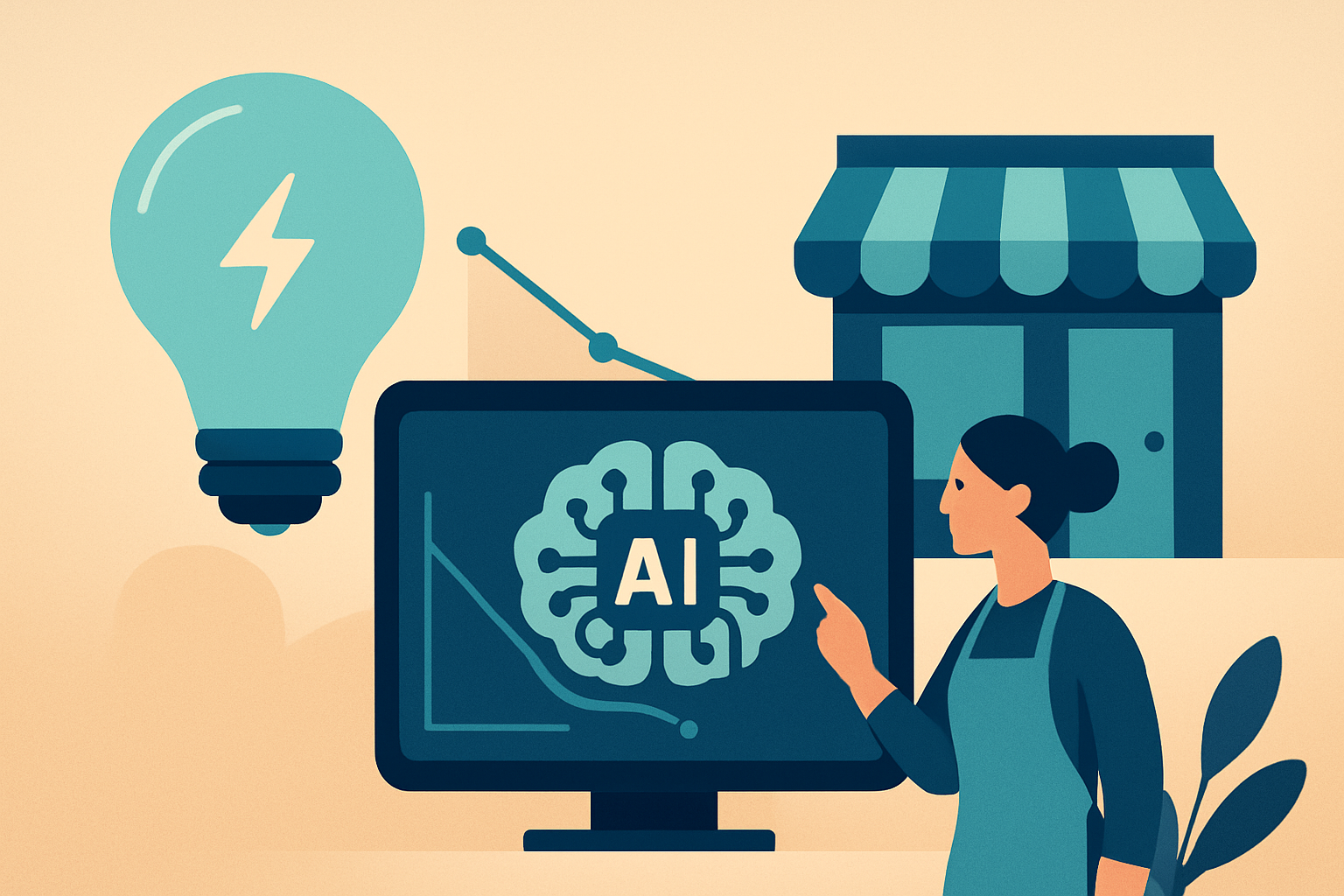
In recent years, the price of energy has been a constant source of concern for Spanish companies, especially small and medium-sized ones. In an environment where every euro counts and competitiveness demands efficiency, the news that companies can save up to an extra 5% on energy thanks to artificial intelligence (AI) has caught the attention of many managers. But what does this advance mean in practice? Why is it relevant for SMEs, and how can they start to benefit? Below, we analyze this trend with examples and clear advice so that any SME can assess applying it.
What does it mean that AI enables companies to save energy?
Artificial intelligence is a technology capable of analyzing large amounts of data, identifying patterns and making decisions automatically. When applied to energy consumption, AI studies how a company uses electricity, gas or other sources, detects inefficiencies and proposes or executes changes to reduce spending.
For example, AI systems can connect to smart meters, collect data every minute and detect when more energy than necessary is being used. They can identify whether equipment is left on outside business hours, whether the climate control is running when it isn’t needed, or whether consumption peaks coincide with more expensive tariffs. They can even anticipate future consumption based on the weather forecast, production or occupancy of the premises.
In practice, this translates into concrete recommendations: adjusting operating hours, scheduling when machinery turns on and off, or changing the climate-control policy. Some solutions go further and directly automate these adjustments without human intervention. The result, according to the recent news, can mean an additional saving of up to 5% on the energy bill, on top of other efficiency measures already in place.
Why is this advance relevant for SMEs?
Small and medium-sized businesses usually operate on thin margins, and energy costs represent a significant part of their fixed expenses. A 5% saving may seem modest, but in businesses where electricity or gas amount to several thousand euros a year, the impact is felt directly on the bottom line.
In addition, AI offers a level of control and personalization that was previously only within reach of large companies with the resources to deploy complex systems. Today, AI-based solutions have been simplified and adapted so that any SME can use them without needing in-house experts or large upfront investments.
The current context of volatile energy prices and growing environmental regulation makes these savings even more valuable. Reducing energy consumption not only improves profitability, it also helps meet sustainability goals and improve your image with customers, suppliers and employees.
Finally, the automation AI brings frees up time and resources: instead of staff having to remember to turn off lights, adjust thermostats or review bills, the system detects and acts automatically, eliminating common errors and oversights.
Examples and practical use cases in SMEs
To better understand how AI can be applied to energy savings in small and medium-sized businesses, let’s look at some real and plausible examples across different sectors:
- Local bakery: A neighborhood bakery uses electric ovens and refrigeration units. After installing sensors connected to an AI solution, it detects that the ovens stay on for hours when there is no production. The system recommends scheduling automatic shutdown and adjusting the temperature to the actual load. Result: a 4% reduction in the monthly electricity bill.
- Dental clinic: In a clinic with several treatment rooms, climate control is a significant expense. The AI analyzes the occupancy of each room and adjusts cooling only when there are patients, avoiding unnecessary operation. It achieves a 5% saving in annual consumption and staff no longer have to manage the thermostats manually.
- Small rural hotel: The hotel installs an AI system that learns booking patterns and adjusts water heating and central heating based on the occupancy forecast and the outdoor weather. This avoids running the whole system at full capacity when few rooms are booked. The energy saving exceeds 5% and also helps extend the lifespan of the equipment.
- Car workshop: In a workshop where lighting and electric machinery make up a large part of consumption, the AI detects that some areas stay lit even when not in use. Presence sensors are installed and the system automatically turns off the lights in empty areas. The saving is immediate and the investment is recovered in under a year.
- Professional services office: Although energy consumption is lower than in industry, the AI helps identify the best time to use equipment and climate control based on variable electricity tariffs. The system recommends shifting certain tasks to cheaper time slots, achieving a small but significant annual saving.
These examples show that you don’t have to be a large industrial company to benefit. The potential for savings and efficiency is within reach of any SME, regardless of its sector.
Risks and considerations before deploying AI in energy management
As with any technology, adopting AI for energy savings involves certain considerations worth keeping in mind before diving in.
First, although today’s solutions are far more accessible than before, it’s still essential to analyze whether the company’s consumption volume justifies the investment. In businesses with very low consumption, the return may be slower.
Another aspect to consider is data quality. AI needs reliable, continuous information to work properly: if the sensors are not well calibrated, or if there are gaps in data collection, the recommendations may be less accurate. It’s important to have a proper installation and carry out basic maintenance.
When it comes to privacy and security, although energy systems don’t usually handle personal data, any internet connection must be protected to prevent unauthorized access or interference.
Finally, you have to consider the human factor. AI can automate many decisions, but it’s advisable to keep a certain level of oversight, especially at first, to make sure the changes don’t negatively affect the comfort of employees or customers, or the business’s operations.
In short, deploying AI for energy savings is an opportunity, but it should be approached with realistic planning and professional support.
Where to start? First steps for SMEs interested in saving energy with AI
If an SME is considering applying artificial intelligence to reduce its energy consumption, it’s advisable to follow a series of steps to maximize the chances of success:
- Analyze current consumption: Gather bills from the last 12 months and, if possible, obtain hourly data from the meters. This helps identify patterns and consumption peaks.
- Spot areas for improvement: Check whether there is equipment running outside business hours, underused areas, or processes that could be optimized.
- Consult specialists: Companies like Futurynia can help assess the savings potential, propose tailored solutions and calculate the return on investment.
- Start with a pilot: Ideally, test first in a specific area or process. This way you can measure the results before expanding the solution to the rest of the business.
- Train the team: Although AI automates many tasks, it helps for staff to understand how the system works and what changes to expect.
- Measure and adjust: Once the solution is deployed, it’s key to monitor the real savings, gather suggestions from the team and adjust parameters to optimize the result.
For most SMEs, the process is simple and the technology doesn’t require extensive prior knowledge. Professional support helps avoid mistakes and get the most out of the investment.
FAQs about AI and energy savings in SMEs
Is it expensive to deploy an AI system to save energy?
The cost depends on the size of the business and its energy consumption. There are now modular, scalable solutions with affordable upfront investments for most SMEs. In addition, the savings achieved usually allow the investment to be recovered in under two years in many cases.
Do I need to change all my equipment to take advantage of AI?
Not necessarily. Many AI systems can connect to existing equipment and sensors, or additional modules are installed easily. There’s no need to overhaul the entire infrastructure.
Is AI only for large industrial companies?
No. As we’ve seen, SMEs in any sector can benefit: from workshops and bakeries to clinics, hotels and offices. The key is to adapt the solution to the real needs of each business.
What if I don’t have technical staff?
Today’s solutions are designed to be managed by non-technical users. The provider handles the installation and initial setup, and maintenance is minimal. In addition, remote support is common and resolves any issue.
Artificial intelligence is already transforming energy management in companies, and SMEs can take advantage of this advance to improve their profitability and sustainability. If you want to know how to apply these solutions in your business, at Futurynia we are at your disposal to advise you with no obligation.
More news

Want this in your business?
Tell us about your case and we’ll send you an assessment with the highest-impact automations. Reply within 24 hours.
Request received!
We’ll get back to you within 24 business hours.