Category: Process automation

  • AI for demand forecasting and inventory in small businesses: How to seize the future today

    AI for demand forecasting and inventory in small businesses: How to seize the future today

    AI for demand forecasting and inventory in small businesses: How to seize the future today

    AI for demand forecasting and inventory in small businesses: How to seize the future today

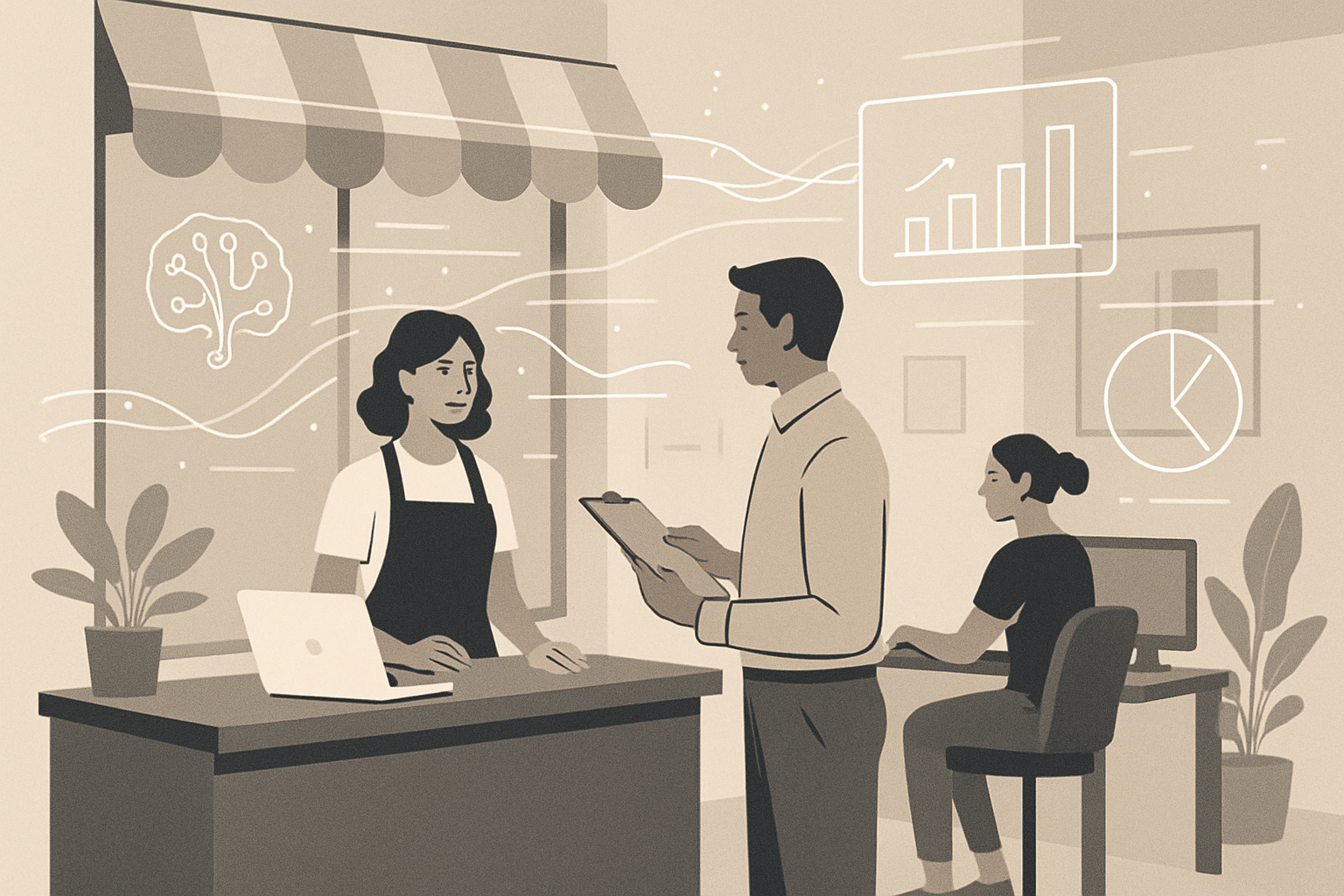
    How many times have you lost sales because something was out of stock, or had products sitting idle for months? These problems not only eat into profits, they also hurt your business’s reputation and your customers’ experience. Today, thanks to artificial intelligence (AI), even small businesses can anticipate demand and manage their inventory with a precision once reserved for large companies. But what does this mean in practice? Is it complicated? Is it out of reach for an SME? In this article I explain, with simple examples and real cases, how AI can revolutionize the way you manage your inventory and your sales forecasts. If you’ve never dug into this technology, here is a clear, realistic guide to understand the value and decide whether you want to take the next step.

    What is AI-powered demand forecasting and inventory management?

    The basics

    Demand forecasting means anticipating how many products or services you’ll sell in a future period. Inventory management is the control of your stock: knowing how much you have, when to restock and how much to order.

    Traditionally, SMEs have managed this with intuition, spreadsheets or, at best, simple software. AI, however, uses historical sales data, trends, seasonality, promotions and even the weather to predict more accurately what you’ll need. That way, you can make better-informed, more accurate decisions about your purchases and stock.

    What does AI do differently?

    While an Excel sheet can only add and subtract, AI learns from your sales patterns and from external factors. For example, a restaurant can know how many salmon fillets to order based on the weather and local festivities, not just the sales average. Or an online store can anticipate which products will sell out before an advertising campaign.

    A practical example: a small dental clinic

    Imagine a clinic that tends to run out of certain materials right before school dental check-up campaigns. With AI, it can analyze demand peaks from previous years, campaign dates and even online booking behavior. This way, it avoids shortages and reduces unnecessary purchases of expensive materials.

    Why now?

    Until recently, AI was expensive and complex. Today there are solutions tailored to SMEs, with affordable costs and no need for an in-house technical team. Access to data (sales, bookings, inventory) and connectivity have democratized this technology.

    Concrete benefits for small businesses: hours, costs and customer experience

    Fewer errors and time savings

    One of the biggest problems with manual management is human error. According to studies, SMEs lose between 5% and 15% of their sales due to inventory errors. An AI system can reduce these errors by more than 80%, analyzing data automatically and without fatigue.

    For example, a small clothing e-commerce store can avoid running out of popular sizes right during the sales, or avoid piling up slow-moving items. The manager no longer has to review spreadsheets every week: the AI automatically suggests what to restock and when.

    Cost optimization and better cash flow

    Buying too much means money stuck in the warehouse. Buying too little means losing sales. AI helps adjust inventory to the minimum necessary, freeing up capital for other investments. In many cases, SMEs that apply AI manage to reduce their inventory by up to 30% without losing sales.

    A car repair shop, for example, can stop buying parts it barely uses and focus on the ones its customers really demand, thanks to the patterns detected by AI.

    A better customer experience

    When customers find what they’re looking for, they come back. If they don’t, they go to the competition. AI helps maintain the availability of key products, anticipating demand peaks (such as the Christmas campaign or Mother’s Day). A restaurant can avoid running out of its most-ordered dishes at the weekend, and a real estate agency can predict which types of properties will get the most viewings depending on the season.

    Example: professional firm

    Even law firms and accountancy practices can take advantage of AI. For example, to forecast peaks in tax-return requests, plan overtime and avoid delays in service.

    Examples and mini-cases: AI applied across different SME sectors

    Local restaurant

    A neighborhood restaurant used to run out of ingredients on busy days. After implementing AI, it analyzed sales data by day, weather and nearby events. The system started suggesting how much fish, meat and vegetables to order each week. Result: a 25% reduction in waste and a 10% increase in customer satisfaction (fewer “we’ve run out of…” moments on the menu).

    Mid-sized real estate agency

    A real estate agency used AI to analyze demand patterns for rental and sale properties. The system detected that, after certain advertising campaigns and in specific months, demand grew for studios near universities. It adapted its promotions and got ahead of acquiring this type of property, improving its closing rate by 15% a year.

    Specialized e-commerce

    A mobile-phone accessories e-commerce store suffered stockouts of popular products after new models launched. With AI, it cross-referenced past sales data, launch dates and social media trends. Now it anticipates weeks in advance which cases and chargers will be most in demand. Result: a 20% increase in sales and a 35% reduction in returns due to late deliveries.

    Dental clinic

    As mentioned earlier, a dental clinic can forecast material consumption based on its appointment schedule and school campaigns. The AI suggests when to buy perishable materials, reducing waste and avoiding last-minute emergencies.

    Car workshop

    A small workshop discovered, thanks to AI, that certain spare parts had demand peaks after vehicle-inspection campaigns and during holiday months. Now it adjusts its orders, avoiding tied-up capital and improving service speed.

    Where to start? Practical steps to implement AI in your SME

    1. Gather your data

    Before thinking about AI, you need your data in order: historical sales, inventory, bookings, promotions, etc. It doesn’t have to be perfect, but it should be accessible (in spreadsheets, sales software, etc.).

    2. Define your goal

    Do you want to reduce shortages? Cut idle inventory? Improve the customer experience? The clearer you are, the easier it will be to measure the result.

    3. Choose a solution tailored to SMEs

    You don’t need major investments. There are tools designed for small businesses, many cloud-based and with a monthly cost. The key is that they let you load your data and receive clear recommendations.

    4. Test small

    Start with a group of products or one business line. That way you can quickly measure the impact and adapt the system to your company’s reality.

    5. Measure and adjust

    AI learns and improves over time. Review the results each month: have shortages been reduced? Has idle inventory dropped? Are your customers more satisfied? Adjust the parameters based on your experience.

    Practical example: restaurant

    A restaurant started by analyzing only its best-selling weekend dishes. After seeing improvements, it expanded the system to the rest of the menu and drinks. In six months, savings on purchases topped 2,000 euros, and waste dropped by 30%.

    Real benefits: indicative figures and return on investment

    Less idle inventory

    SMEs that implement AI usually reduce their inventory by 20-30%. That means more liquidity and less occupied space. For example, an e-commerce store with €50,000 in stock can free up to €15,000 within a few months.

    Fewer shortages and lost sales

    With AI, stockouts are reduced by an average of 50%. This translates into more sales and fewer frustrated customers. A workshop that used to lose €5,000 a year for not having parts on time has cut that to €2,000.

    A better customer experience

    Customers find what they’re looking for and come back. A restaurant that avoids running out of signature dishes improves loyalty and word of mouth. Customer satisfaction usually rises by between 10% and 20%, according to internal surveys.

    Less management time

    The purchasing manager can spend half as much time reviewing inventory and placing orders. In an SME, this frees up hours every week for higher-value tasks.

    Return on investment (ROI)

    The investment in AI is usually recovered in less than a year, thanks to savings on purchases, fewer losses and improved sales. For example, a clinic that invests €3,000 a year in AI can save more than €5,000 in materials and lost sales.

    FAQs about AI and inventory management in SMEs

    Do I need a lot of data or years of history?

    You don’t necessarily need years of data. AI can start adding value with a few months of sales and stock. The more data you have, the better the accuracy, but many SMEs see results within a few weeks.

    Do I need a technology expert in my company?

    No. Today there are solutions designed for non-technical users. The provider handles the initial setup and trains you so you can use the system easily. If you know how to use Excel or your sales software, you can handle these tools.

    Can I test before rolling AI out across the whole company?

    Yes. It’s recommended to start with one area or a group of products. That way you can measure the impact before expanding the solution to the rest of the business.

    Is implementing AI expensive for an SME?

    The cost depends on the size of your company and the complexity. However, there are options from a few hundred euros a month, and many offer a return on investment in less than a year. Plus, you can start with low-cost pilot tests.

    Final thoughts and next step

    Artificial intelligence applied to demand forecasting and inventory is no longer just for large companies. Today, any SME can take advantage of its benefits to save time, cut costs and improve the customer experience. If you’re interested in exploring how AI can fit your business, at Futurynia we offer a free, no-obligation consultation. You can book your assessment at futurynia.com and discover, with objective data, the real potential for your company.
  • How to automate email marketing with AI in an SME: a practical guide and real cases

    How to automate email marketing with AI in an SME: a practical guide and real cases

    How to automate email marketing with AI in an SME: a practical guide and real cases

    How to automate email marketing with AI in an SME: a practical guide and real cases

    Spending time and resources sending emails may seem like a simple task, but in practice, for an SME, it means a constant investment of hours and energy. Artificial intelligence (AI) has arrived to change the way small and medium-sized businesses manage their communication with customers, especially in email marketing. Automating this channel not only reduces costs and errors, it also lets you personalize messages and improve the customer experience. In this article, I explain in simple terms how AI can help you take your email marketing to the next level, with concrete SME examples and clear steps to get started, without unnecessary jargon.

    What is AI-powered email marketing automation?

    A simple explanation and real examples

    Automating email marketing with artificial intelligence means using software that, by learning from your customer data, automatically sends personalized emails at the most opportune moment. It’s no longer just about scheduling a mass send; AI can analyze customer behavior, segment audiences, adjust message content and decide when the best time to reach out is.

    For example, a real estate agency can use AI to automatically send property offers that match each customer’s recent searches. A restaurant can remind customers of pending bookings or send personalized promotions based on their previous visits. Even a law firm can automate appointment reminders and case updates, without relying on an employee’s memory.

    The difference from “traditional email marketing” is that AI learns and improves over time. If a customer usually opens emails in the afternoon, the AI detects it and adjusts the sends. If a product appeals more to one group, the AI identifies it and prioritizes that information. As a result, the message is more relevant and customer response improves notably.

    This technology, which once seemed reserved for large companies, is now available to SMEs thanks to accessible, easy-to-use tools. Making the leap doesn’t require advanced technical knowledge, just identifying the goal and choosing the right solution.

    Concrete benefits for SMEs: time, costs and customer experience

    Measurable advantages and impact examples

    Automating email marketing with AI lets SMEs save a significant amount of time. For example, a clothing e-commerce store that used to spend 8 hours a week preparing campaigns can cut that workload to under 2 hours, just to review results and tweak small details. The AI handles segmentation, the creation of attractive subject lines and sending at the optimal time.

    When it comes to costs, automation helps avoid errors (such as duplicate sends or misdirected messages) that can damage the company’s image or generate extra costs. A car repair shop that automates service reminders and offers avoids forgetting things and improves its customer return rate, without having to hire extra staff.

    The customer experience is also transformed. Receiving messages that are genuinely relevant, at the right moment, increases the perception of professionalism and closeness. A dental clinic, for example, can send automatic appointment reminders and personalized oral-health tips, which reduces no-shows and improves patient satisfaction.

    According to data from companies that have adopted these solutions, the email open rate can increase by between 20% and 40%, and the response or conversion rate (customers who book, buy or enquire) can double. In addition, human error is reduced to almost zero, freeing up time for higher-value tasks.

    Where to start? First steps for an SME

    A simple guide and use cases

    The first step is to identify the goal: do you want to sell more, build customer loyalty, reduce no-shows or simply save time? Every SME has different needs. For example, a restaurant may want to increase bookings on slow days; a firm may want to improve communication with its current clients.

    Next, it’s a good idea to make a list of the emails you usually send: promotions, reminders, newsletters, news alerts, etc. This helps you see which processes can be automated first. An e-commerce store usually starts with abandoned-cart emails and product recommendations, because they generate direct sales.

    The next step is choosing a tool or platform that enables this automation. Many current solutions offer simple integrations with the customer management systems (CRM) you already have. You don’t need large upfront investments or technical knowledge. For example, some platforms let you define “rules” after a brief setup: if a customer hasn’t bought in 30 days, send an offer; if an appointment is coming up, send an automatic reminder.

    Finally, it’s advisable to start with a single process and measure the results. A clinic can first test appointment reminders, then move on to personalized tips. This way, the team gets familiar with the tool and risks are minimized.

    Personalization and segmentation: the big leap beyond mass sending

    How AI tailors the message to each customer

    The key to modern email marketing is personalization. It’s no longer enough to address the customer by name; AI lets you adapt the content, tone and timing of the send based on each person’s history and preferences.

    An e-commerce store can send product recommendations based on previous purchases or on items a customer has looked at but not bought. A workshop can remind each customer when the next service is due, based on their car model and the services performed. A restaurant can wish customers a happy birthday and offer them a special promotion just for that day.

    Segmentation goes a step further: AI divides customers into groups based on their behavior, interests or activity level. This way, messages stop being “for everyone” and become relevant to each segment. For example, a real estate agency can identify customers looking to rent versus those looking to buy, and send them only the offers that interest them.

    This personalization not only improves the open and response rate; it also reduces customers unsubscribing from communications or marking emails as spam. In fact, studies show that AI-personalized emails can triple the conversion rate compared to traditional mass sends.

    Measurement and continuous improvement: how to know if it works and optimize results

    Key metrics and small tweaks with big impact

    One of the advantages of automating email marketing with AI is the ability to measure every action in detail. Today’s tools let you see who opens the emails, who clicks, who buys or books, and who ignores the messages.

    For example, a law firm can check how many clients confirm their attendance at an appointment after receiving an automatic reminder. An e-commerce store can analyze which type of subject line generates more opens, or which promotions convert more sales.

    The AI learns from this data and automatically adjusts the next sends. If it detects that emails sent in the afternoon get a better response, it changes the timing. If a group of customers responds better to end-of-month offers, it prioritizes that moment. This way, each campaign is better than the last, with no manual intervention.

    In addition, you can run simple tests (called “A/B tests”) to compare two versions of the same email and see which performs better. For example, a workshop can test two different subject lines for a service reminder and keep the one that gets more responses.

    Measuring and adjusting are key to getting the most out of automation. SMEs that adopt this approach usually see progressive improvements within a few months, with increases in sales and customer satisfaction.

    FAQs about automating email marketing with AI

    Do I need technical knowledge to start?

    You don’t need advanced knowledge. Most current solutions are designed for non-technical users and offer intuitive interfaces. If you have doubts, a consultancy can help you with the first steps.

    How much does it cost to automate email marketing with AI?

    The cost varies depending on the number of contacts and the complexity, but there are options from 40-60 euros a month for SMEs. The investment is usually recovered quickly thanks to time savings and increased sales.

    Is it safe to handle my customers’ data with these tools?

    Yes, as long as you choose providers that comply with data protection regulations (such as the GDPR in Europe). It’s important to review the privacy policies and make sure the data is protected.

    Can I start with just one part of my business?

    Of course. In fact, it’s advisable to start with a specific process (for example, appointment reminders or monthly promotions) and, once it’s working well, expand to other areas.

    Conclusion

    Automating email marketing with AI is not a luxury reserved for large companies. SMEs can start simply, save time and resources, and improve their customers’ experience with accessible tools and tangible results. If you want to know how to apply these solutions to your specific case, at Futurynia we offer a free consultation to analyze your situation and propose a no-obligation assessment. You can contact us at futurynia.com.

  • Document automation with AI: the end of manual document work in your SME

    Document automation with AI: the end of manual document work in your SME

    Document automation with AI: the end of manual document work in your SME

    Document automation with AI: the end of manual document work in your SME

    Can you imagine an office where papers don’t pile up, contracts process themselves and invoices enter the system automatically? It’s not science fiction. Artificial intelligence (AI) is already helping SMEs leave manual document work behind. Processing paperwork, reviewing contracts or searching for invoices is a thing of the past for those who decide to automate. If you own or manage an SME, this article will show you, simply and without jargon, how document automation with AI can improve your day-to-day, save time and money, and avoid costly errors. You’ll see real examples, practical cases and clear steps to get started.

    What is document automation with AI and why does it matter for SMEs?

    The paper nightmare in SMEs

    In most SMEs, document management remains one of the most tedious and error-prone tasks. Think about all the hours your team spends processing invoices, filing contracts, searching for old documents or entering data manually into the system. A law firm can spend up to 30% of its time just reviewing and classifying legal documents. A car workshop loses hours every week searching for customer histories and paper quotes. All that time is money and energy not spent on more productive tasks.

    What exactly does AI do in this context?

    Artificial intelligence applied to document automation is like a digital assistant that “reads” documents (on paper or digital), extracts the important information and classifies it automatically. For example, a real estate agency may receive dozens of contracts a month: the AI detects the type of document, extracts key data (such as names, dates, amounts) and saves them in the right system, with no human intervention. It’s not just about digitizing, but about understanding the content and acting accordingly.

    Why now?

    Until a few years ago, this technology was expensive and complex; only large companies could afford it. Today there are accessible solutions adaptable to any SME’s size, even on tight budgets. The AI learns quickly from your company’s documents and adapts to your needs. This means you no longer need an IT department to benefit from these tools.

    Main benefits: time savings, fewer errors and a better customer experience

    Fewer hours on repetitive tasks

    A restaurant that manually processes supplier invoices can spend more than 15 hours a month just entering accounting data. By automating this process with AI, the time is reduced to minutes: the tool extracts the relevant data and integrates it into the accounts. Those freed-up hours can be devoted to improving service or innovating on the menu.

    Fewer errors, fewer headaches

    Human error is inevitable when handling hundreds of documents. A simple mistake copying a figure can be costly: from duplicate payments to problems with the tax authorities. At a dental clinic, for example, losing an informed-consent form can lead to legal problems. Automation with AI reduces errors to a minimum, since data is extracted and classified automatically with an accuracy above 98%.

    A better experience for your customers

    How often does your team spend hours finding a contract or customer history? With document automation, the information is accessible in seconds. A travel agency can respond quickly to a complaint because it locates the document in one click. This translates into more satisfied customers and a professional image for your company.

    Lower costs and easier growth

    Digitizing and automating documents not only saves time, it also reduces spending on paper, printing, physical storage and office space. An e-commerce store that processes 500 invoices a month can save up to 4,000 euros a year in direct and indirect costs related to manual document management.

    Concrete examples of document automation with AI in SMEs

    Professional firm

    At an 8-employee accounting firm, receiving and processing invoices was a bottleneck. Before, one person spent 20 hours a week reviewing, scanning and classifying invoices and contracts. After implementing an AI automation solution, the documents are scanned, the AI automatically extracts key data (supplier, amount, date) and integrates it into the accounting software. Now, the process requires only a quick review and takes less than 2 hours a week. The team devotes the freed-up time to advising clients and winning new business.

    Real estate agency

    A mid-sized real estate agency managed dozens of rental and sale contracts each month. Manual filing caused delays and lost documents. With document automation, the AI detects the type of contract, extracts names, dates and terms, and files everything in the cloud with secure access. Finding any document takes seconds, and filing errors have disappeared. In addition, the agency has cut the time spent on this task by 80%.

    E-commerce

    A small e-commerce store received supplier invoices by email in different formats. Before, the purchasing manager had to open each email, download the file, review the data and enter it into the system. Now, the AI automatically detects emails with invoices, extracts the data and enters it into the ERP. The process is almost invisible to the team, who can focus on customer service and expanding the catalog.

    Clinic

    At a dental clinic, recording informed-consent forms and filing histories was a headache. Document automation with AI makes it possible to scan the consents: the tool recognizes the type of document, identifies the patient and saves the file in the corresponding electronic record. The healthcare staff only check that everything is correct. This has reduced the risk of misplacing documents and improved data protection.

    Car workshop

    A vehicle repair workshop received work orders and quotes on paper. Classifying and searching for these documents was slow and error-prone. With automation, when the orders are scanned, the AI identifies the customer, the vehicle and the date, and automatically files them in the customer’s digital folder. Now, any mechanic can check a vehicle’s complete history in seconds, improving service and reducing waiting times.

    Where to start? Practical steps to deploy document automation in your SME

    1. Identify the most repetitive and costly processes

    Make a list of the documents that steal the most time: invoices, contracts, consents, histories, purchase orders, etc. Ask your team how much time they spend each week on these tasks. This will tell you where automation can have the greatest impact.

    2. Define the goal and the expected result

    Do you want to cut invoice processing time from 10 to 2 hours a week? Avoid errors when entering customer data? Define a concrete, measurable goal. This will help you choose the right solution and measure success.

    3. Choose a solution suited to your business

    There are flexible options that integrate with the systems you already use (accounting, customer management, etc.). It’s important that the solution is scalable and easy to use, so your team doesn’t need intensive technical training. Seek specialized advice if you have doubts.

    4. Test small before scaling

    Deploy automation in a specific process (for example, only purchase invoices) for a few weeks. Evaluate the results: time saved, fewer errors, team satisfaction. If all goes well, expand to other processes and documents.

    5. Involve your team and communicate the benefits

    Resistance to change is normal. Explain to your team that automation doesn’t replace people, but frees up time for higher-value tasks. Listen to their suggestions and adapt the process if necessary. A convinced team is key to success.

    FAQs about document automation with AI in SMEs

    Is document automation only for large companies?

    No. Today there are tailored, affordable solutions for SMEs of all sectors and sizes. Even a company with three employees can benefit, especially if it manages many repetitive documents.

    What types of documents can be automated?

    Most of the documents common in an SME: invoices, contracts, consents, delivery notes, purchase orders, customer records, medical histories, etc. Both in digital format and on paper (scanned).

    Does document automation comply with data protection?

    Yes, as long as you use solutions that comply with the regulations (such as the GDPR in Europe). Data is processed securely and stored with restricted access. It’s important to choose providers that guarantee privacy and security.

    How long does it take to deploy a document automation solution?

    It depends on the size and complexity of the process, but in many cases an SME can have the solution running within a few weeks. The usual approach is to start with a simple process and expand from there.

    Conclusion: your SME can take the leap and forget manual document work

    Document automation with AI is no longer exclusive to large companies. If you want to leave repetitive work behind, cut costs and improve customer service, now is the time to explore the possibilities in your SME. At Futurynia we help you identify opportunities, calculate the savings and design a solution tailored to you. Request a free consultation or assessment at futurynia.com and take the first step toward smarter, more efficient document management.

  • Smart reporting with AI: from scattered data to clear decisions

    Smart reporting with AI: from scattered data to clear decisions

    Smart reporting with AI: from scattered data to clear decisions

    Smart reporting with AI: from scattered data to clear decisions

    Sound familiar? Invoices in one folder, sales in another, timesheets in an Excel file, emails with orders, and endless data spread everywhere. That’s how most small and medium-sized businesses work. Yet competition and uncertainty demand quick, accurate decisions. How can you do that if the information is scattered and it takes hours to understand what’s going on? This is where smart reporting with Artificial Intelligence (AI) comes in: a way to turn all that data into clear, visual and useful reports, without relying on experts or wasting time. Let’s look at how it works, what benefits it brings and how any SME can get started, whatever its sector.

    What is smart reporting with AI and what is it for in an SME?

    From chaos to control: turning data into useful information

    Smart reporting means creating automatic, visual and personalized reports that show what really matters for your business. With AI, the system “understands” the data, cleans it, connects it (even if it’s in different places) and extracts conclusions, alerts and recommendations. This way, the owner or manager can see in minutes what used to take hours (or wasn’t visible at all).

    For example, a dental clinic usually has appointments in one software, invoices in another and histories on paper. A smart reporting system connects everything, detects trends (such as a drop in visits on Fridays), flags unpaid invoices and suggests actions (send reminders to certain patients). The same happens in a real estate agency: sales, rentals and expenses can be seen on a single dashboard, with automatic alerts if a property has gone too long without being rented.

    What is it for? The goal is to make decisions based on facts, not hunches. If you know which products sell less in your e-commerce store, you can adjust prices. If you see that a workshop receives fewer cars on certain weeks, you can launch a promotion. Smart reporting turns scattered data into clear information you can act on.

    Main benefits: savings, accuracy and a better customer experience

    Much more than saving time: real, measurable advantages

    Smart reporting with AI isn’t just about “making the data look nice”. The concrete benefits go much further and are noticeable from the first month. Here are some real examples:

    • Time savings: A law firm spent about 10 hours a week gathering data on cases, billing and tasks. With automatic reporting, that dropped to under 1 hour. That frees up time for clients and strategy.
    • Fewer errors: Copying and pasting data by hand creates mistakes that can be costly. A restaurant that used Excel for sales and bookings made inventory errors almost every week. With AI, the figures add up on their own and orders to the supplier are just right.
    • Lower costs: An e-commerce store with smart reporting discovered that certain products barely sold but took up warehouse space. By adjusting stock, it saved 12% a month in storage.
    • A better customer experience: A veterinary clinic started receiving automatic alerts about pending check-ups. Customers received personalized reminders and the return rate rose by 18%.

    In short: fewer hours lost, fewer errors, lower costs and more satisfied customers. And all without hiring technical staff or learning to code.

    What data can you make use of? Concrete examples for different sectors

    From sales to customer satisfaction: it all adds up

    You might think your SME doesn’t have “that much data” or that it’s not worth it. But in reality, almost every company generates valuable information that is currently underused. Let’s look at some sector examples:

    • Professional firms: Data on clients, cases, hours worked, billing, payments received and made, emails. AI can analyze which clients are most profitable, which tasks consume the most time or which services are most in demand.
    • Real estate agencies: Properties for sale/rent, viewings, closing times, prices, marketing campaigns, incidents. Smart reporting shows which areas or agents perform best and anticipates drops in demand.
    • Online stores (e-commerce): Daily sales, returns, support tickets, reviews, web visits, inventory. AI detects “star” and “forgotten” products, improves stock forecasting and helps personalize offers.
    • Clinics and medical centers: Appointments, treatments, no-shows, invoices, satisfaction surveys, payments. The system can flag gaps in the schedule, patients who don’t return, or the most profitable treatments.
    • Workshops and technical services: Repairs, parts used, waiting times, incidents, payments. Smart reporting helps anticipate workload peaks and optimize material purchases.
    • Restaurants and cafés: Bookings, sales per dish, purchases, staff schedules, customer reviews. AI can suggest menu changes, detect unprofitable dishes or anticipate staffing needs.

    In all these cases, smart reporting doesn’t require having “perfect” data. It’s enough to connect what you already have (even if it’s in different programs or in Excel) and let the AI help interpret it.

    How to start: simple steps and practical examples

    From theory to action, without scares or major investments

    The first step for any SME is simple: identify which decisions take the longest to make for lack of clear information. For example: How much did we bill this week? Which product gives us the most margin? Which customers haven’t bought in months?

    Once you’ve identified those “key questions”, you can move forward like this:

    1. List the available data: Excel sheets, billing software, emails, booking systems. It all adds up.
    2. Define the desired reports: For example, a daily sales dashboard, alerts for unpaid invoices, a product ranking, a schedule of free appointment slots.
    3. Connect the data: This is where AI comes in: there are tools that “read” different sources (regardless of format), organize the data and prepare it for analysis.
    4. Set up alerts and recommendations: The system can send automatic emails if it detects deviations, drops in sales, excess stock, etc.
    5. Review and improve: With the first reports, you see what information is missing or excessive, and you adjust. It’s a living process, not a closed one.

    Real example: a small real estate agency started by connecting only sales and viewings. Within a month, they saw that certain properties had many viewings but didn’t close. They adjusted the price and improved turnover. Later, they added expense data, optimizing even further.

    The important thing is to start gradually, with what has the most impact, and grow from there. You don’t need to “digitize everything” at once or change your current systems.

    What results can SMEs expect? Typical figures and improvements

    Real impact after a few months: what companies report

    The figures vary by sector and starting point, but there are clear patterns. After deploying smart reporting with AI, SMEs usually notice improvements in these areas:

    • Less time: Between 60% and 90% fewer hours spent gathering and cross-referencing data. For example, a clinic went from 8 hours a week to just 1 to prepare reports.
    • Fewer errors: Transcription mistakes or wrong sums drop almost to zero, because the AI automates the connections and calculations.
    • Better profitability: By detecting unprofitable products or services, you can adjust prices or promotions. An e-commerce store earned 15% more after adjusting its catalog based on the reports.
    • A better customer experience: With alerts and recommendations, customers receive faster, more personalized service. A workshop increased positive Google reviews by 22% in three months just by sending automatic service reminders.
    • Anticipating problems: Managers see drops in sales, unpaid invoices or excess stock sooner, and can act without waiting for the month-end close.

    These results don’t require large investments or months of work. Many SMEs start with a test in a single area and expand afterward once they see the results. The return is usually quick: in under 3 months, most already notice clear savings and improvements.

    FAQs about smart reporting and AI in SMEs

    Do I need to change all my programs or systems?

    No. Smart reporting with AI can “read” data from different sources: Excel, billing systems, emails, etc. There’s no need to change what you already have, just connect it.

    Do I need an in-house IT person?

    It’s not essential. Today’s solutions are designed so any SME can use them with a little initial training. If you prefer, a consultancy can support you through the process.

    Is it expensive to deploy smart reporting?

    It depends on the scope, but it’s usually much more affordable than people think. There are options from a few hundred euros a month, and the savings in hours and errors usually pay back the investment quickly.

    What if my data isn’t “perfect” or I have information on paper?

    That’s not a problem. You can start by connecting what’s already digitized and gradually incorporate the rest. Even paper data can be digitized with simple tools.

    Conclusion: take the first step toward clear decisions

    Smart reporting with AI isn’t just for large companies. Any SME, from a firm or a clinic to an e-commerce store or a restaurant, can turn scattered data into clear, fast decisions. The benefits in time, costs and customer satisfaction are tangible and accessible. If you’d like to explore how it could help your business, at Futurynia we offer a free, no-obligation assessment. You can contact us at futurynia.com and you’ll see that taking the first step is easier than it seems.

  • How Artificial Intelligence reduces operating costs in SMEs without cutting the team

    How Artificial Intelligence reduces operating costs in SMEs without cutting the team

    How Artificial Intelligence reduces operating costs in SMEs without cutting the team

    How Artificial Intelligence reduces operating costs in SMEs without cutting the team

    Artificial Intelligence (AI) is no longer a distant promise or a luxury reserved for large multinationals. More and more small and medium-sized businesses are integrating AI solutions into their day-to-day, with tangible results: lower costs, fewer errors, more time for customers and a more motivated workforce. It’s not about replacing people with machines, but about freeing teams from repetitive tasks and making a leap in efficiency. If you own or manage an SME and wonder how AI can help you cut costs without cutting staff, this article explains it clearly, with examples and concrete steps.

    What tasks can AI automate in an SME and how does it impact costs?

    Identifying the daily “bottlenecks”

    In any SME, there are tasks that repeat daily and that, although necessary, consume valuable time and resources. Processing invoices, answering customers’ frequent questions, sorting emails, managing schedules, reviewing inventory… These are just a few examples. This is where AI can make the difference.

    Concrete SME examples:

    • Law firm: An 8-person firm spent more than 20 hours a week searching for documents and drafting standard responses for clients. By implementing an AI system for smart search and draft generation, they freed up that time to devote to complex cases and personalized service. Estimated savings: around 80 hours a month, valued at €1,600 (assuming an average cost of €20/hour).
    • Car workshop: The manager received dozens of queries about quotes and availability. An AI virtual assistant started answering the most common questions and scheduling appointments automatically. Result: a 60% reduction in calls and emails, and the team could focus on technical work.

    Why does it reduce costs?

    By automating these tasks, the company needs fewer overtime hours, reduces the risk of errors (which can be costly) and makes better use of its team’s time. It’s not about firing people, but about letting each person add more human value, while the AI handles the repetitive work.

    How AI improves customer service and reduces costly errors

    A faster, more accurate customer experience

    One of the biggest hidden costs in SMEs is in customer service: slow responses, incorrect information, errors in orders or bookings. These failures not only cost money, they also damage reputation and can keep a customer from coming back.

    Real examples:

    • Restaurant: A venue with phone bookings suffered errors in managing tables and orders. It implemented an AI system for online bookings and automatic WhatsApp confirmations. In three months, mismanaged bookings dropped by 90%, and customer satisfaction rose notably. It also freed the waiters from answering the phone, allowing more attention in the dining room.
    • E-commerce: An online clothing store had frequent returns due to errors in product descriptions or shipping management. By using AI to review texts and automate order tracking, it reduced returns by 25% and improved its average Google rating.

    Where are the savings?

    Reducing errors means less time correcting, fewer expenses for shipping or compensation, and more satisfied customers who come back. For example, if an SME handles 200 orders a month and manages to avoid 10 errors (at €15 each, counting shipping, returns and time), it saves €150 a month in that line alone. AI doesn’t sleep or get distracted, so its reliability is a key advantage.

    Optimizing time: freeing up hours for higher-value tasks

    The “hidden” time stolen by operations

    Many owners and managers feel their team works a lot, but not always on what’s most important. Unnecessary meetings, searching for information, administrative tasks… it all adds up. AI makes it possible to identify and automate many of these activities, giving the team time back to focus on what really adds value.

    Practical mini-cases:

    • Dental clinic: The reception staff spent more than 2 hours a day confirming appointments and sending reminders. By automating these processes with AI, that time was redirected to improving in-person service and attracting new patients. Result: a 90% reduction in no-shows and a 15% increase in patients seen per month.
    • Real estate agency: Agents spent a lot of time filtering emails and calls from poorly qualified prospects. An AI system now automatically classifies leads and suggests personalized responses. The team can focus on the customers with the most potential, increasing the closing rate without working more hours.

    How to start?

    Make a list of repetitive tasks that you or your team do. Calculate how many hours a month they take. Think about what would happen if half that time were devoted to sales tasks, innovation or direct service. That’s the “AI dividend”: fewer routine tasks, more focus on the strategic. Many SMEs manage to free up between 10% and 30% of their team’s total time in the first few months.

    AI and cost reduction in purchasing, inventory and logistics

    Smarter decisions, less waste

    Managing purchasing and the warehouse is often a major source of hidden costs: buying too much, running out of stock, losing sales due to shortages or accumulating products that don’t sell. AI helps forecast demand, optimize orders and reduce waste, adjusting inventory to real needs.

    Application examples:

    • Restaurant: A family restaurant adopted an AI system that analyzes past sales, weather and the local calendar to forecast weekly ingredient demand. Result: a 20% reduction in food waste and tighter purchasing, which meant a saving of €400 a month on perishables.
    • Electronics store: A 6-employee SME used AI to analyze its sales history and adjust supplier orders. Now, average stock dropped by 30%, freeing up space and capital, and avoiding obsolete products in the warehouse.

    Practical steps to start:

    Review your purchasing and inventory over the last six months. How much have you had to throw away, return or sell at a low price? How many sales did you lose due to stockouts? A simple AI solution can start by analyzing your data and suggesting improvements. The impact is usually seen within a few months: less capital tied up, fewer losses and better customer service.

    Improving decision-making: data and predictions within everyone’s reach

    From intuition to information

    Many decisions in SMEs are made “by gut feeling” or out of habit. AI makes it possible to analyze large amounts of data (sales, customers, trends) and offer concrete, easy-to-understand recommendations, even for non-technical people.

    Examples of real value:

    • Professional firm: A tax firm used AI to analyze patterns in its clients’ billing and anticipate workload peaks. This allowed it to plan resources better and avoid hiring extra staff in the busiest months.
    • E-commerce: An online accessories store used AI to analyze which products were most successful at each time of year. By adjusting campaigns and offers, it increased sales by 18% in six months, without spending more on advertising.

    Where to start?

    Start by identifying what data you have: sales, customers, products, incidents. An AI tool can help you visualize trends and spot opportunities for improvement or savings. You don’t need to be a technology expert: many solutions “speak” the language of business and present information clearly, so you can make better decisions without wasting time on endless spreadsheets.

    FAQs about AI and cost reduction in SMEs

    Will AI replace my employees?

    Not necessarily. In SMEs, the goal is usually to free people from repetitive tasks so they can focus on what adds the most value: customer relationships, creativity, sales or innovation. AI is a support tool, not a complete replacement.

    Is it expensive to deploy AI in an SME?

    The cost depends on the scope and complexity, but there are affordable solutions to start with. Many SMEs recover the investment in a few months thanks to time savings, fewer errors and better customer service. There are also pay-as-you-go options and pilot tests.

    Do I need technical knowledge to use AI?

    No. The best solutions for SMEs are designed for non-technical users. They integrate with the usual tools (email, CRM, website) and come with support for setup and follow-up.

    Where do I start if I want to apply AI in my company?

    The first step is to identify the most repetitive tasks or the common problems you’d like to solve. Then, consult experts who can advise you on the most suitable options for your case. An initial consultation is usually free and helps you see the real potential in your business.

    Conclusion: take the first step toward a more efficient SME

    Artificial Intelligence is already helping SMEs in every sector reduce costs, improve processes and offer better service, without needing to cut staff. With real examples and concrete benefits, the value is clear: fewer errors, more time for what matters and a superior customer experience. If you want to explore how AI can help you, at Futurynia we offer a free, no-obligation assessment. Discover new possibilities for your company at futurynia.com and take the first step toward a more efficient, competitive SME.

  • Customer service with AI: respond in seconds and sell more (a guide for SMEs)

    Customer service with AI: respond in seconds and sell more (a guide for SMEs)

    Customer service with AI: respond in seconds and sell more (a guide for SMEs)

    Customer service with AI: respond in seconds and sell more (a guide for SMEs)

    Have you ever felt you’re losing opportunities because your business can’t respond to every customer enquiry with the speed and attention you’d like? If you have an SME, you probably know that customer service is key to standing out, building loyalty and selling more. However, daily pressure, limited resources and the difficulty of always being available make the task harder. This is where Artificial Intelligence (AI) can be your great ally, even if you’re not a technology expert. This article explains, with simple examples and clear steps, how to apply AI to your SME’s customer service, so your customers get answers in seconds and your team gains time and peace of mind.

    What is AI customer service and how does it really work?

    A new way to serve without impersonal robots

    When we talk about customer service with Artificial Intelligence, we don’t mean those old voice robots that frustrated everyone. Today, AI makes it possible to create virtual assistants and automated systems that understand real questions, converse naturally and resolve queries in seconds, by chat, email or WhatsApp. These systems “learn” from frequent questions, can connect to your database (products, schedules, bookings, etc.) and, if they don’t know the answer, route the query to a person.

    What can it do for your business?

    Imagine a restaurant that takes bookings on WhatsApp at any hour, a real estate agency that answers questions about properties on Sunday night, or an e-commerce store that tells you in seconds whether a product is in stock. AI makes it possible to:

    • Answer frequent questions instantly (prices, hours, services, etc.).
    • Alert your team only when the query requires it.
    • Serve customers 24/7 without paying overtime.
    • Reduce errors and oversights to a minimum.
    • Collect valuable data about your customers and what they’re looking for.

    Mini-case: law firm

    A small law firm in Madrid installed a virtual assistant on its website and WhatsApp. Now, it automatically answers queries about fees, required documents and availability, freeing the secretary from handling repetitive calls. Clients get immediate information and the firm has reduced missed calls by 30%.

    Concrete advantages for SMEs: hours saved, fewer errors and more sales

    How much time and money can you gain?

    Customer service consumes many hours on repetitive tasks: answering the same questions, sending basic information, handling simple bookings… With AI, you can automate between 60% and 80% of these interactions, depending on the sector. For example, a car workshop that receives 20 WhatsApp queries a day about prices and hours can save around 30 hours a month.

    Fewer errors, higher quality

    AI doesn’t get tired or distracted. This means fewer incorrect or late responses, fewer oversights and a consistently professional image. A dental clinic that automates appointment confirmations and reminders reduces patient no-shows by 25%, which translates into more revenue and better organization.

    A boost to sales and satisfaction

    Responding quickly makes the difference. An e-commerce store that answers questions about shipping or payment methods in seconds converts more visits into sales, because the customer doesn’t go to the competition. AI can also suggest related products, promotions or request reviews, all automatically.

    Mini-case: family restaurant

    A restaurant in Valencia implemented a WhatsApp assistant for bookings and frequent questions. In six months, it increased confirmed bookings by 18% and halved after-hours calls. In addition, they collected data on customer preferences (gluten-free menu, celebrations) that they later used to personalize promotions.

    Practical examples: how different SMEs already use AI in their customer service

    Real estate agency: 24/7 service and lead capture

    A small real estate agency in Seville integrated a chatbot into its website and Facebook Messenger. Now, it answers queries about available properties, prices, viewings and requirements, even outside office hours. The assistant collects data from potential buyers and schedules automatic viewings, which has increased useful contacts by 40%.

    Clinic: appointment management and common questions

    An aesthetic clinic in Barcelona automated appointment management, confirmations and frequent questions about treatments via WhatsApp and web. This freed the receptionist for more complex tasks and let customers book at any time. The number of unconfirmed appointments dropped by 20% and satisfaction rose, according to surveys.

    E-commerce: support and automatic sales

    An online children’s clothing store used AI to answer questions about sizes, shipping and returns. In addition, the system suggests complementary products based on the customer’s history. Queries resolved in under a minute went from 40% to 90%, and the conversion rate from visitors to buyers rose by 12%.

    Car workshop: queries and bookings without overloading the phone

    A car workshop in Bilbao receives many queries about availability, quotes and types of service. An AI assistant on WhatsApp and web filters and answers most of them, and only passes complex questions to staff. This has reduced waiting times and improved the workshop’s image.

    Where to start? Practical steps and tips to deploy AI in customer service

    1. Spot the repetitive queries

    Make a list of the questions or requests your company receives most (hours, prices, bookings, documents…). This will help you identify what to automate first.

    2. Choose the channel your customers use most

    Do they contact you more by WhatsApp, web, email or social media? Prioritize the channel where you receive the most messages to start.

    3. Define the “tone” and key information

    AI can adapt to your business’s style (formal, friendly, fast). Prepare clear answers and up-to-date data. For example, a firm may prefer a serious tone, while a restaurant can be more informal.

    4. Test with a simple pilot

    You don’t need to automate everything at once. You can start with an assistant that answers 3-5 frequent questions and keeps learning. This way you’ll see the impact and can adjust without risk.

    5. Train your team and monitor

    Explain to your staff how the system works and how to escalate complex cases. Review the data each month: which questions doesn’t the AI resolve? Where can you improve?

    Mini-case: artisan bakery

    A small bakery started by automating only queries about hours and orders for parties. In two months, 70% of queries no longer required human intervention, and staff could focus on in-store service.

    FAQs about AI in customer service for SMEs

    Can AI fully replace people in customer service?

    No. AI is ideal for frequent questions and repetitive tasks, but complex or sensitive cases always require human intervention. The key is for your team to focus on what adds the most value.

    Is it expensive to deploy an AI assistant? How much does it cost?

    Costs have dropped a lot. Today, an SME can have a basic system from around €100-200 a month, depending on the volume of queries and channels. The return is usually seen in under 6 months through time saved and extra sales.

    Can it be customized for my sector or type of customer?

    Yes. A good AI system adapts to your business: from the language to the integration with your systems (bookings, catalog, CRM). It can even learn from your own responses and data.

    What happens if the AI doesn’t know how to answer a query?

    In those cases, the AI routes the conversation to a person on your team or collects the message for you to handle later. This way, you never lose a sales opportunity or an important query.

    Conclusion: AI in customer service, a real and accessible opportunity for SMEs

    Artificial Intelligence is no longer a thing for large companies or science-fiction films. If you have an SME, you can use it to respond in seconds, reduce repetitive work and improve your customers’ experience, without technical complications. Want to know how to apply it to your specific case? At Futurynia we offer a free, no-obligation consultation to analyze your needs and show you, step by step, how to get started. More information at futurynia.com.

  • 5 processes any SME can automate with AI right now

    5 processes any SME can automate with AI right now

    5 processes any SME can automate with AI right now

    5 processes any SME can automate with AI right now

    Artificial intelligence (AI) is no longer just for large companies or futuristic films. Today, any SME can access AI solutions to improve efficiency, reduce errors and save time, without major investments or technical knowledge. Automating processes with AI means letting technology handle repetitive or complex tasks, freeing your team to focus on what really matters: growing the business and caring for your customers. In this article I explain, with very concrete examples and no jargon, five processes you can automate in your company and how to start taking the step, with benefits you’ll notice from the first month.

    1. Automated customer service: fast, personalized responses

    What is it and what is it for?

    Customer service is one of the biggest challenges for any SME. Answering questions, resolving issues or managing bookings consumes a lot of time and resources. AI makes it possible to automate much of this process through virtual assistants (also called chatbots) or automatic response systems on channels like WhatsApp, web or email. These assistants can serve customers 24/7, answer frequent questions and, if the query is complex, route it to a person.

    Concrete examples

    Imagine a dental clinic that receives dozens of messages a day requesting appointments. An AI assistant can manage 80% of the bookings automatically, confirming times and sending reminders. Or a real estate agency handling queries about available apartments: the chatbot filters needs, shows options and collects contact details. Even a restaurant can automate booking management and answer questions about the menu in real time.

    Benefits and practical steps

    Automating customer service reduces response time from hours to seconds, improves the customer experience and frees up your team. For example, a law firm that receives 50 queries a week can save more than 15 hours a month on basic responses alone. In addition, the AI learns from the most frequent questions and improves over time. To start, identify the most repeated questions or requests and consult an automation specialist about the options available for your sector and usual channels. A simple solution can be implemented in under a week and adapted to your image and tone of communication.

    2. Automating administrative and document management

    What is it and what is it for?

    Managing invoices, contracts, quotes and other documents is often a bottleneck in many SMEs. AI can review, extract data and file documents automatically, eliminating error-prone manual tasks. In addition, it lets you search for and retrieve information in seconds, making audits or customer queries easier.

    Concrete examples

    A car workshop receives dozens of supplier invoices each month. AI can read the invoices, extract the amounts and concepts, and enter them into the accounting software with no human intervention. In an e-commerce store, AI can validate orders, generate invoices and send them to the customer automatically. A clinic can digitize and classify medical histories, complying with data protection regulations and avoiding information loss.

    Benefits and practical steps

    With document automation, an SME can reduce transcription errors by 90% and save between 5 and 20 hours a month, depending on the volume of documents. The first step is to analyze which types of documents generate the most manual work and whether they’re already digitized. From there, you can implement an AI solution that connects to your email or file folder and starts classifying and extracting the relevant information. If your team uses document templates, the AI can even generate them automatically from a few key data points.

    3. Personalized marketing and automatic customer segmentation

    What is it and what is it for?

    Effective marketing is no longer about sending the same message to everyone. AI makes it possible to analyze your customers’ behavior (what they buy, when, how they interact with your website or social media) and segment them automatically to send them relevant offers or content. This way, each customer receives information tailored to their interests, increasing the likelihood of sales and loyalty.

    Concrete examples

    An e-commerce store can use AI to recommend products based on previous purchases, automate the sending of personalized emails according to the customer’s stage (welcome, follow-up, abandoned-cart recovery) or adjust prices based on demand. A professional firm can send different newsletters depending on the type of client (freelancer, SME, individual). A real estate agency can segment those interested in renting or buying and send them only the news that matches their profile.

    Benefits and practical steps

    With AI, an SME can increase its email open rate by 30% and conversions by up to 20%, according to real case studies. In addition, it saves the time of preparing campaigns manually and reduces the risk of sending irrelevant messages that may annoy the customer. To start, review what data you have on your customers and what communications you usually send. There are platforms that, connected to your database or CRM, can segment automatically and suggest campaigns, even generating the copy with AI in your own style. It’s a process that can be automated within days and adapts to any sector.

    4. Smart inventory control and order management

    What is it and what is it for?

    Controlling stock and managing orders is often a source of headaches for stores, workshops or restaurants. AI can predict demand, warn of products running low and optimize orders to suppliers, avoiding both excess inventory and stockouts. In addition, it can automate real-time inventory updates and generate personalized alerts.

    Concrete examples

    A restaurant can use AI to analyze the sales of each dish and forecast which ingredients it will need each week, adjusting orders and reducing waste by 15%. An e-commerce store can automate the restocking of best-selling products and send automatic notifications when stock drops below a certain level. A workshop can anticipate which spare parts will be needed based on seasonality or the most frequent types of repairs.

    Benefits and practical steps

    Inventory automation saves hours of manual review and reduces human errors (duplicate orders, oversights, excess stock). A mid-sized store can save up to 10 hours a month and reduce tied-up capital by 10%. The first step is to digitize the inventory (if it isn’t already) and connect the AI solution with your sales system. From there, the AI starts learning from your data and suggests optimal orders, warning you before problems arise. It’s an investment that pays off quickly and improves customer satisfaction by avoiding stockouts.

    5. Automatic evaluation of quotes and commercial proposals

    What is it and what is it for?

    Preparing custom quotes and proposals can take a lot of time, especially when each customer has different needs. AI can analyze customer data, sales history and profit margins to generate personalized proposals in minutes, ensuring they are competitive and profitable.

    Concrete examples

    A consultancy firm can automate the drafting of commercial proposals, adapting the services and prices to the client’s profile and the complexity of the project. A real estate agency can automatically calculate the recommended sale price of a home based on market data and the property’s characteristics. A workshop can generate repair quotes based on the type of breakdown and the parts needed, with up-to-date supplier prices.

    Benefits and practical steps

    Automating proposals can reduce preparation time by 70% and improve price accuracy, avoiding errors that can cost sales or profit margin. To start, identify what data you need for each quote and whether you have usual templates. An AI solution can integrate with your database and generate proposals in your format, ready to review and send. In addition, you can analyze which proposals convert better and adjust your commercial strategy based on real data, not assumptions.

    FAQs about AI automation in SMEs

    Is it expensive to implement AI in an SME?

    Not necessarily. Today there are pay-as-you-go or monthly subscription solutions that adapt to the size and needs of each company. Many basic automations can be implemented with a low upfront investment and pay off within a few months thanks to time savings and fewer errors.

    Do I need technical knowledge or to hire specialized staff?

    It’s not essential. Today’s solutions are designed for non-technical users and come with support and training. An external consultant can help you identify the processes to automate and support you during go-live, without needing to change your entire infrastructure.

    Does automation replace people?

    It’s not about eliminating jobs, but about freeing the team from repetitive, low-value tasks. This lets them focus on higher-value activities, such as personalized service, strategy or innovation. Experience shows that SMEs that automate grow more and improve their employees’ satisfaction.

    Is it safe to automate processes with AI?

    Yes, as long as you use reliable solutions and comply with data protection regulations. Most providers guarantee the security and privacy of the information, and there are specific options for regulated sectors (health, legal, financial). A prior assessment makes it possible to identify potential risks and protection measures.

    Where to start? Free, no-obligation consultation

    Artificial intelligence is within reach of any SME, regardless of its size or sector. Automating processes not only saves time and money, it improves the customer experience and the team’s motivation. If you don’t know where to start or have doubts about which processes would be most profitable in your case, at Futurynia we offer a free, no-obligation consultation. We’ll analyze your situation and propose a tailored plan, with examples and real figures. Take the step toward a more efficient, competitive SME. More information at futurynia.com.